More Nigerians and major companies are ditching the national electricity grid amid rising tariffs and unreliable power, turning instead to self-generated energy—especially solar.
Over 400 large organisations, including Flour Mills of Nigeria, MTN, and Shell, now produce their own electricity. Combined, they generate about 6,500 megawatts—far above the current national grid’s output.
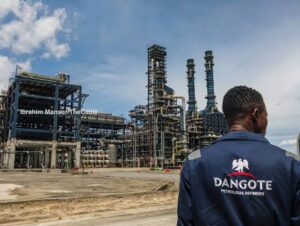
This growing trend also includes universities like UNILAG, OAU, and UNIZIK, and top manufacturers like Dangote Industries, which alone produces around 1,500 megawatts.“People are tired of paying more and getting less,” said Tunde Salami, a Lagos resident who switched to solar after his monthly bill jumped from N20,000 to over N82,000.
“I’ve already saved over N1 million. It was a smart move.”The shift comes as Nigeria’s premium electricity customers on Bands A and B bear the brunt of recent price increases, forcing many to seek cheaper and more reliable options.
The Nigerian Electricity Regulatory Commission (NERC) has begun issuing off-grid licenses to institutions and private companies. Recent recipients include Nile University (10MW), Ro-Marong Nigeria (4.4MW), and Daybreak Power Solutions (2.63MW).
Even the government is joining in. President Bola Tinubu recently approved a N10 billion solar project for Aso Rock, drawing public backlash. “Why spend billions on the Villa while citizens struggle with power cuts and crazy bills?” asked one critic on social media.
Still, officials insist the shift is part of a broader strategy. “It’s about diversifying our energy sources and reducing government spending,” said Mustapha Abdulahi, Director-General of the Energy Commission of Nigeria.
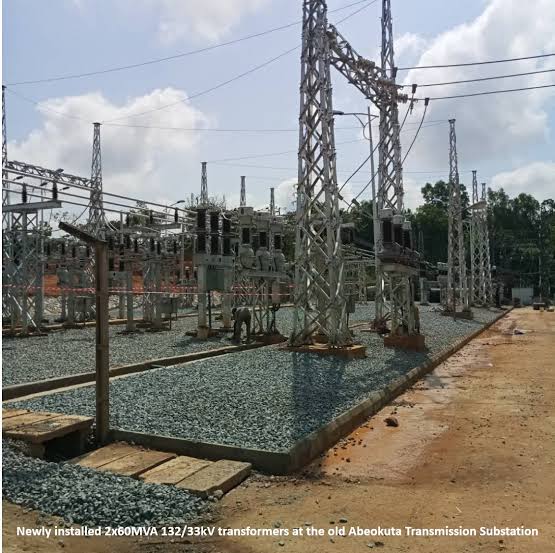
But experts warn the growing exodus from the national grid could destabilise the entire system. NERC blames grid fluctuations on the withdrawal of heavy users, which worsens existing challenges like voltage instability and commercial losses.
Despite government promises of stable supply, more Nigerians are choosing to power themselves—literally.