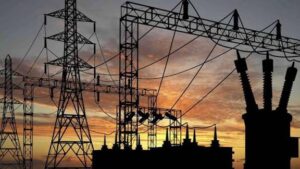
Nigeria’s electricity sector has continued to struggle with unreliable supply and frequent grid failures, even after receiving about $3.65 billion in World Bank-backed financing over the past two decades.
Data on electricity-related projects supported by the World Bank between 2001 and 2024 show that the funding covered multiple interventions, including transmission upgrades, rural electrification schemes, renewable energy expansion, and reform programmes aimed at improving the country’s struggling power sector.
The projects range from early initiatives such as transmission development funding in the early 2000s to more recent programmes focused on renewable energy access and sector recovery efforts. Despite these investments, power supply across the country has remained unstable.
In Nigeria, millions of homes and businesses still face irregular electricity supply, forcing many to rely heavily on petrol and diesel generators. The national grid has also continued to experience repeated collapses, while electricity generation and distribution have fallen short of demand in Africa’s most populous nation.
Experts in the energy sector attribute the ongoing challenges to several factors, including weak transmission infrastructure, liquidity problems within the power market, gas supply limitations, vandalism of facilities, inconsistent policies, and underinvestment.
Over time, there has also been a noticeable shift in the focus of World Bank-supported projects in Nigeria, moving from traditional grid expansion toward decentralised and renewable energy solutions. Recent programmes have prioritised solar-based electricity access, particularly for rural and underserved communities.
Despite these efforts, concerns remain over implementation delays and the limited impact of reforms on everyday consumers. High electricity costs and unreliable supply continue to place significant pressure on businesses, especially manufacturers that depend on self-generated power.
The situation has raised broader questions about the effectiveness of long-term interventions in Nigeria’s power sector, especially following the privatisation of generation and distribution companies more than a decade ago.
Energy analysts say that while the funding has contributed to infrastructure development and improved access in some areas, a stable nationwide electricity supply is still out of reach.
The Federal Government had also previously discontinued a portion of World Bank-supported financing under a power sector recovery programme, further highlighting the difficulties in achieving key reform targets.
A university energy expert noted that persistent inefficiencies and governance gaps continue to undermine progress, warning that the sector’s problems will persist without deep structural reforms. He argued that addressing corruption, improving management, and aligning electricity pricing with actual supply costs would be necessary steps toward stability.
For now, Nigeria’s power sector remains under pressure, with citizens and businesses continuing to bear the cost of an unreliable electricity system despite years of international financial support.