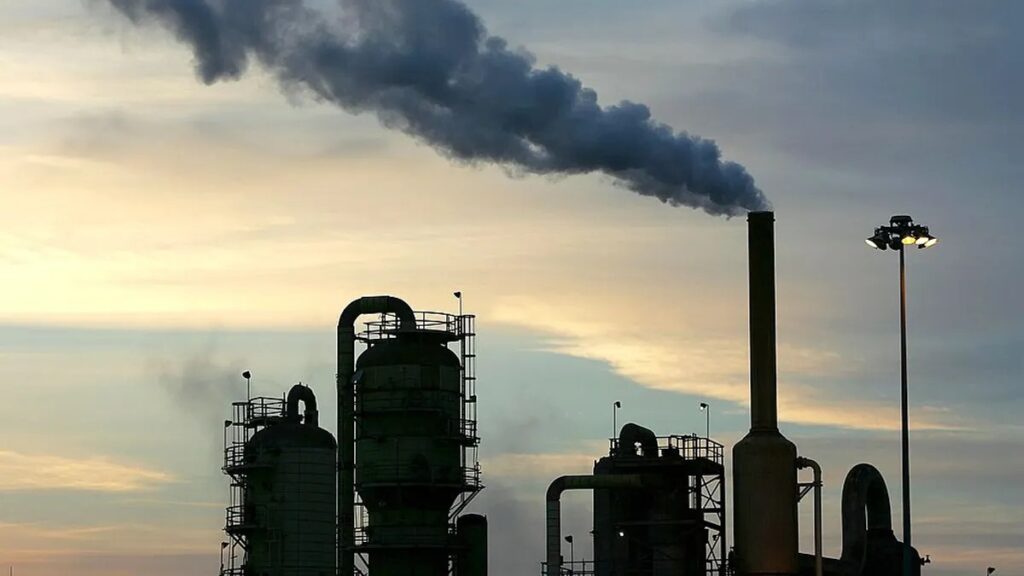
Nigeria’s proven natural gas reserves have increased to 215.19 trillion cubic feet as of January 2026, up from 208.83 trillion cubic feet recorded in 2023, the Federal Government has announced.
The government also disclosed that the country’s average daily gas production had reached approximately 7.5 billion cubic feet, while domestic supply exceeded two billion cubic feet per day.
The figures were presented by the Decade of Gas Secretariat during a media engagement in Kano, organised in partnership with the Presidential Initiative on Compressed Natural Gas and Electric Vehicles.
Taofeek Balogun, Workstream Lead for Infrastructure and Demand at the secretariat, attributed the progress to ongoing efforts by the administration of President Bola Tinubu and the Minister of State for Petroleum Resources (Gas), Ekperikpe Ekpo, to develop Nigeria’s gas industry.
Balogun said the government had secured $3.5 billion in committed investments for four major gas projects. He added that the OB3 Gas Pipeline had reached full completion, while work on the Ajaokuta-Kaduna-Kano (AKK) Gas Pipeline was approximately 95 per cent complete.
He further disclosed that N671 billion in public funding for infrastructure had helped attract about N1.6 trillion in private-sector investments into the gas industry.
As part of efforts to expand access to cleaner cooking fuels, the government has also commenced its Liquefied Petroleum Gas programme, which aims to reach five million households by 2030.
According to Balogun, the initiative has launched in Bayelsa and Akwa Ibom states, with 27,000 LPG cylinders distributed. Public awareness campaigns are also ongoing across different regions.
The government is additionally targeting September 24, 2028, for the transition to a willing-buyer, willing-seller framework for the gas market. The proposed system is intended to improve competition, transparency and the commercial sustainability of the sector.
The Kano engagement brought together 27 journalists from television, radio, print and digital media to improve reporting on Nigeria’s gas development plans. Similar sessions had previously been held in Lagos, Abuja and Port Harcourt.
The government’s latest figures highlight the country’s expanding gas reserves and production, alongside continued investment in infrastructure and initiatives designed to increase domestic consumption.