The Nigerian National Petroleum Company Limited (NNPCL) is under scrutiny for failing to remit more than ₦6.5 trillion owed to the federal government as of May 2025. This outstanding balance covers unpaid royalties to the Nigerian Upstream Petroleum Regulatory Commission, tax liabilities to the Federal Inland Revenue Service, and dividends due to the Federation Account.
According to a report submitted at a recent Federation Account Allocation Committee (FAAC) meeting, the oil company has consistently fallen short in transferring its statutory payments, despite higher national revenue collection from other agencies. The breakdown of the debt includes ₦3.89 trillion in royalties, ₦2.52 trillion in taxes, and ₦162 billion in unremitted dividends.
The report suggests that between mid-2023 and April 2025, the company showed a pattern of irregular remittances, with monthly figures swinging sharply. At times, royalty or tax arrears exceeded ₦300 billion in a single month. This trend has persisted even after the government officially ended fuel subsidies in October 2024.
A previous World Bank assessment revealed that only half of the revenue gains from the subsidy removal were actually transferred by NNPCL, as the company diverted the rest toward settling previous debts. Officials said this limited remittance weakens the financial impact of the reform.
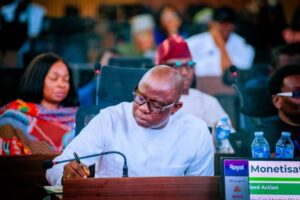
As questions mount over the company’s finances, the Senate is also investigating alleged irregularities totaling over ₦210 trillion in its audited accounts. Lawmakers have summoned NNPCL leadership to address concerns over undocumented expenses and questionable figures in its records.
In response, the company has accused unnamed individuals and groups of orchestrating a coordinated smear campaign aimed at halting its reform agenda. It claims efforts are underway to distort the public narrative and resist transparency.
Despite the accusations and outstanding liabilities, NNPCL insists it remains committed to cleaning up its operations and supporting the administration’s broader drive to reform the oil and gas industry.