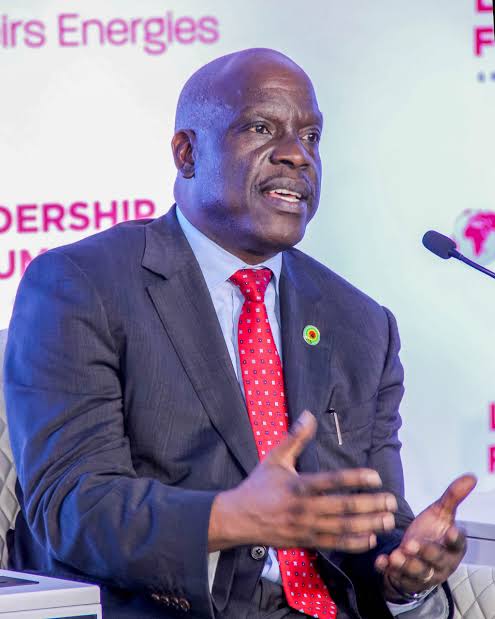
The Nigerian Upstream Petroleum Regulatory Commission (NUPRC) is pushing to restore Nigeria’s leading role in Africa’s oil and gas sector. The country’s share of upstream investment in sub-Saharan Africa has fallen from 44% in 2014 to 30% in 2022, prompting urgent reforms.
Speaking at the 50th anniversary of the Nigerian Association of Petroleum Explorationists in Lagos, NUPRC Chief Executive Gbenga Komolafe outlined the Regulatory Action Plan (RAP), aimed at attracting new investments and speeding up approvals for oil and gas projects.
“The RAP signals that Nigeria is ready to lead with clarity and confidence in a competitive global market,” Komolafe said. He explained that the plan is aligned with the Petroleum Industry Act and focuses on improving transparency, removing obstacles, and creating investor-friendly policies.
The reforms are already showing results. Nigeria’s oil rig count has risen from eight in 2021 to 43 in 2025, with a target of 50 by the end of the year. Recent licensing rounds have been highly competitive and transparent, drawing strong interest from both local and international investors.
Komolafe also highlighted the One Million Barrels Initiative, launched in 2024, which aims to increase crude oil production from 1.7–1.8 million barrels per day to 2.5 million by 2026. This involves reactivating dormant fields, speeding up approvals, and ensuring local refineries get a steady supply of crude.
According to Komolafe, these measures will not only help Nigeria regain its share of African oil investments but also position the country as a top global destination for energy projects.