The Nigerian Upstream Petroleum Regulatory Commission (NUPRC) has revealed plans to auction 220 oil blocks scattered across the country’s onshore and offshore regions, in a bid to attract new investments and boost crude oil production.
According to data released by the commission, the deep offshore basin holds the highest number of available blocks, with 59 still unlicensed. Other basins include the Benue Trough with 41 open blocks, the Chad Basin with 40, Sokoto Basin with 28, and Bida Basin with 16. Even mature production zones such as the offshore and onshore Niger Delta still have several blocks yet to be awarded.
NUPRC said the oil blocks are not abandoned but awaiting licensing through competitive bid rounds, in line with Section 7(t) of the Petroleum Industry Act (PIA) 2021. The law empowers the commission to conduct periodic licensing rounds and grant oil exploration rights to qualified investors.
The commission also clarified that the licensing process is being done to promote transparency and unlock Nigeria’s untapped hydrocarbon resources. It noted that 24 blocks were recently awarded from previous bid rounds held between 2022 and 2024.
Despite Nigeria’s large oil and gas reserves, many of these blocks have remained idle—contributing to production shortfalls, refinery feedstock shortages, and a growing reliance on imported fuel. Analysts warn that this underperformance in the oil sector is contributing to the country’s mounting debt, which reached over N149 trillion in the first quarter of 2025.
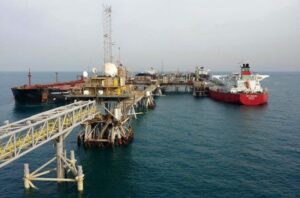
NUPRC acknowledged that deep offshore blocks, while resource-rich, present significant technical and financial challenges. These include complex terrain, expensive infrastructure, and the need for advanced technology, which may explain why they remain largely underexplored.
As of January 2025, deepwater fields contributed just 19% of Nigeria’s oil reserves and 12% of its gas reserves—highlighting a significant gap between potential and actual output.
The commission reiterated its commitment to attracting credible investors through open, fair, and competitive licensing rounds, as part of efforts to revitalize the upstream sector and improve the country’s economic outlook.