The Petroleum Products Retail Outlets Association of Nigeria (PETROAN) has called on the Nigerian National Petroleum Company Limited (NNPC) to embrace transparency and accountability, urging the new management to shift away from what they describe as years of opaque operations.
Speaking during an interview on Channels Television, PETROAN’s National President, Dr. Billy Gillis-Harry, said Nigerians have grown increasingly distrustful of the NNPC, a perception he believes must change under the current leadership.
“NNPC has created that kind of environment where it’s now difficult for the public to trust them with anything,” Gillis-Harry said. “It will be in the best interest, not just of the management, but of Nigeria, that that mindset should be changed by the current management.”
He expressed hope that the company’s new leadership—Managing Director Bayo Ojulari and Chairman Mr. Kida, both from regulated international oil firms Shell and Total respectively—would bring in much-needed reform.
“They have gone through a very regulated and efficient system. They should bring that experience to bear on how the Nigerian oil industry should be,” he added.
One of PETROAN’s key demands is the allocation of 3 million barrels of crude oil annually for domestic refining, given the number of new refineries springing up across the country.
“We are looking at a situation where they should aim to keep 3 million barrels of Nigerian crude oil for refining in-country,” Gillis-Harry stated. “Nigeria should be a refining hub, earning additional foreign exchange by exporting refined petroleum products.”
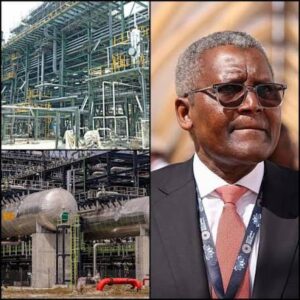
He also pressed for transparency in the ongoing rehabilitation of the Port Harcourt refinery, lamenting the current lack of public information on the project’s status.
“Right now, we cannot say for sure what is the progress (of work),” he said, adding that PETROAN supports the 30-day timeline set for completion and expects it to be respected.
PETROAN further emphasized the need for improved relationships with Niger Delta host communities, increased crude oil production, and public access to reliable fuel pricing data.
“Our demand is simple—transparency should be key,” he said. “We should do as much as possible to make sure that the host communities of the Niger Delta are friendly, to encourage the businesses to come in.”
Gillis-Harry concluded by aligning with the ongoing divestment by international oil companies, noting that indigenous players are stepping in successfully. PETROAN is also set to launch a platform to track fuel price movements and ensure public access to accurate industry data.