OPEC+ has decided to keep oil production steady through the first quarter of 2026, choosing not to increase output amid a global surplus and uncertainty over Venezuela’s future supply.
The decision came after a brief meeting led by top producers Saudi Arabia and Russia. Delegates said it was too early to adjust production in response to the recent capture of Venezuelan President Nicolás Maduro by U.S. forces.
“Key members will maintain current output while monitoring developments in Venezuela,” a delegate told Bloomberg on condition of anonymity. The virtual meeting reportedly lasted less than 10 minutes and focused on overall market conditions rather than Venezuela’s oil facilities.
Global oil prices have struggled due to oversupply, with futures falling about 18% last year, the steepest drop since the COVID-19 pandemic. Analysts warn that even if Venezuela recovers its oil output, it could take years before the country makes a noticeable impact on global supply. Currently, Venezuela produces roughly 800,000 barrels per day, less than 1% of the world’s total.
OPEC+ had previously begun restoring production cuts from 2023 to regain market share lost to rivals like U.S. shale producers. Some member states, however, have struggled to meet output targets due to capacity limits and past overproduction.
For Nigeria, Africa’s largest oil producer and an OPEC member, this decision has direct implications. Maintaining output in an oversupplied market could keep prices stable but low, limiting potential revenue for oil-dependent budgets. Oil earnings make up the bulk of Nigeria’s foreign exchange inflows and government revenue, so OPEC+ decisions are closely watched by policymakers.
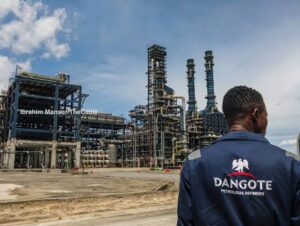
The Nigerian government has been pushing reforms to increase crude production, expand domestic refining, and diversify the economy away from oil. But prolonged periods of low oil prices could still strain public finances and widen budget deficits.
OPEC+, which includes 13 OPEC members and allies such as Russia, controls a large portion of global oil supply, making its production decisions critical for global markets and the economies of oil-producing nations like Nigeria.