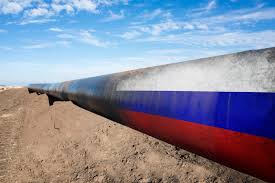
Hungary could be hit with higher fuel prices and serious supply risks if the Druzhba oil pipeline, the country’s main crude supply line from Russia, were to close, MOL Chairman-CEO Zsolt Hernádi has warned.
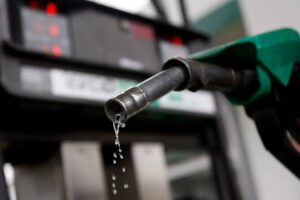
Speaking on ATV, Hernádi explained that a complete shutdown of the decades-old route could push petrol prices up by around 10%. But he stressed that the bigger challenge is not the cost, but whether Hungary can secure enough oil to keep its refineries operating.
“The issue isn’t just about paying more—it’s whether we can maintain stable supplies,” he said, highlighting how vulnerable a single pipeline leaves the country.
The Druzhba pipeline has supplied Hungary since the 1960s but has faced repeated disruptions linked to the war in Ukraine. Hungary does have a second supply option through the Adriatic (JANAF) pipeline, but that route is far more expensive, with transit fees up to four times higher, and cannot fully cover Hungary’s demand on its own.
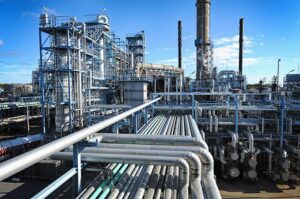
To reduce its dependence, MOL is investing about HUF 200 billion (EUR 520 million) to modernize its Százhalombatta refinery, which will be capable of processing a wider mix of crude oils by 2027. At present, the refinery can handle about half Brent-type oil and has successfully tested nearly 20 other crude grades, but adapting equipment to different chemical compositions is a long-term process.
If Druzhba flows were to stop, Hungary would need to replace roughly 42,000 tons of crude per day via road or rail—equivalent to 800 railcars or 170 tanker trucks. Hernádi warned this would be a logistical challenge likely to cause temporary shortages.
Hungary currently holds emergency reserves covering around 75 days of crude and fuel, providing some buffer in case of disruption. Even so, Hernádi underlined the importance of keeping both supply routes open.
“Without Druzhba, Hungary would be in a much weaker position,” he cautioned.