Nigeria’s electricity supply could deteriorate further as gas producers supplying power plants have threatened to stop deliveries over an outstanding debt estimated at N3.3 trillion.
The warning was disclosed by the Chief Executive Officer of the Association of Power Generation Companies (GenCos), Joy Ogaji, during an interview on Fresh FM, where she explained that the persistent power outages across the country are largely tied to unpaid debts in the power sector.
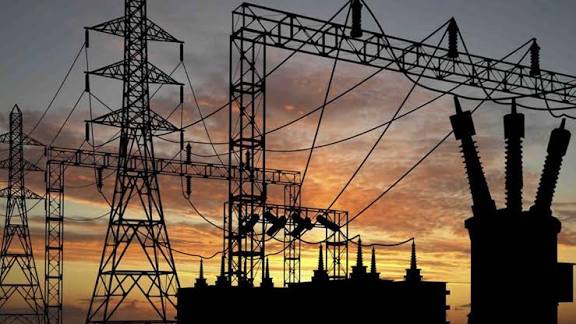
According to Ogaji, most of Nigeria’s electricity is generated from gas-fired thermal plants, but shortages of the fuel have limited production. As of Wednesday, the national grid was receiving only about 3,334 megawatts of electricity.
She said gas suppliers have insisted that payments must be made before further gas can be delivered to power plants.
Ogaji also revealed that the Federal Government’s total debt to electricity generation companies has risen sharply in recent years. She explained that liabilities accumulated between 2015 and December 2024 reached about N4 trillion.
She added that a monthly revenue shortfall of roughly N200 billion throughout 2025 pushed the debt significantly higher, bringing the figure to about N6.4 trillion by the end of that year. The amount has continued to rise in 2026, reaching approximately N6.6 trillion in January and N6.8 trillion by February.
Ogaji stressed that the growing debt burden has directly affected power generation, noting that gas suppliers are reluctant to continue deliveries without payment assurances.
Meanwhile, the Minister of Power, Adebayo Adelabu, said the government is working to resolve the situation. Through his spokesperson, Bolaji Tunji, the minister said discussions are ongoing with the Minister of State for Petroleum Resources (Gas), Ekperikpe Ekpo, to address the issue.
Despite these assurances, many Nigerians have continued to experience unstable electricity supply since late last year.
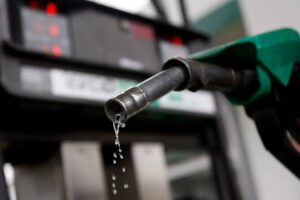
The worsening power shortage has also compounded economic difficulties for households and businesses, particularly as fuel and diesel prices have surged. Petrol now sells for over N1,100 per litre, while diesel costs around N1,600 per litre following increases linked to global crude oil price pressures.