The Federal Government has called for electricity grids to receive greater strategic attention, saying resilient power infrastructure is essential to Nigeria’s energy security.
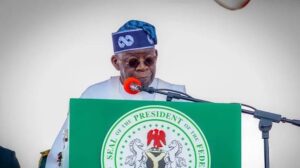
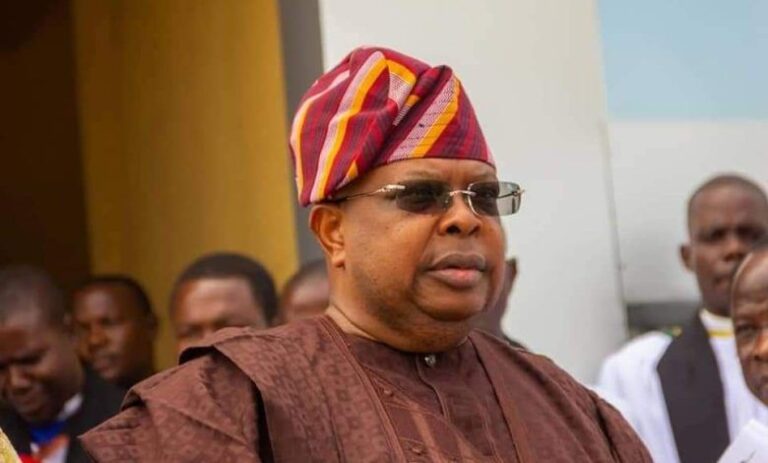
Minister of Power, Joseph Tegbe, made the statement while delivering a keynote address at the opening plenary of the Middle East Energy 2026 Leadership Summit in Dubai.
Speaking on “Energy Security and the Effect of Geopolitics,” Tegbe said the global energy landscape was changing rapidly, making reliable electricity infrastructure increasingly important to national security.
He said energy security could no longer be measured solely by the availability of oil and gas reserves, but must also include the reliability of power grids, critical mineral supply chains, access to capital and strong institutions.
According to the minister, countries must be able to keep electricity flowing to households, hospitals and industries even when faced with geopolitical tensions and economic disruptions.
Tegbe identified diversification as an important strategy for protecting energy systems against external shocks. He also said affordable electricity should be regarded as a security issue because high energy costs can affect households, businesses and national productivity.
On Nigeria’s power sector reforms, the minister said the government was focused on creating a predictable environment capable of attracting long-term investment.
He identified regulatory certainty, respect for contracts and commercially viable electricity offtake arrangements as key requirements for attracting capital into the sector.
Tegbe described the Electricity Act 2023 as one of the most significant reforms in Nigeria’s power industry in decades. He said the legislation ended the Federal Government’s monopoly over electricity and paved the way for the emergence of 37 electricity markets across the country.
The minister said Nigeria’s experience could serve as an example for other developing economies seeking to strengthen their energy sectors.
He also highlighted Nigeria’s substantial gas resources, noting that the country has more than 200 trillion cubic feet of proven gas reserves and has supplied liquefied natural gas to European and Asian markets for about two decades.
Tegbe said Africa would play an increasingly important role in global energy security due to its vast mineral resources, strong solar potential, youthful population and rapidly rising energy demand.
He urged international investors to move beyond extracting raw materials from Africa and support local processing, manufacturing, skills development and infrastructure financing.
“Africa is not at the margins of energy geopolitics; it is the fulcrum,” Tegbe said.
He invited global investors and development partners to work with Nigeria and other African countries to build the infrastructure needed to meet the continent’s growing energy demand.
Tegbe is expected to hold further engagements in Dubai, including a ministerial session focused on financing the future of Africa’s power sector.