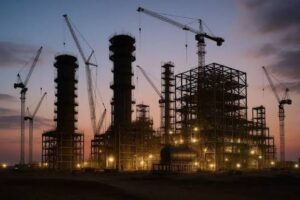
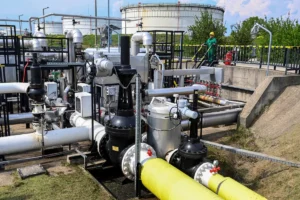
Faced with unreliable electricity and soaring diesel costs, Royal Castle Ceramic Company Limited has made a bold move toward energy self-sufficiency by commissioning a 14.8-megawatt gas-powered plant.
The new facility, built in collaboration with Clarke Energy and powered by INNIO Jenbacher gas engine technology, now supplies consistent electricity to the company’s operations. According to Qian Jin, Royal Castle’s Managing Director and CEO, the decision was driven by years of frustrating power cuts that disrupted production and inflated operational expenses.
“Our operations were constantly affected by grid failures. The switch to gas has given us stability, slashed costs, and boosted efficiency,” Jin said in a statement.
The gas-fired plant has not only helped the ceramic producer cut down on power-related downtime but also reduced its environmental impact. Gas, being a cleaner-burning fuel than diesel, has lowered the company’s emissions and aligned it with modern sustainability goals.
Yiannis Tsantilas, Clarke Energy’s Sub-Saharan Africa head, described the project as part of a wider industry trend: “Manufacturers are looking beyond the grid to secure dependable and cleaner energy sources that support long-term growth.”
The impact of the switch has been far-reaching. Royal Castle reports significant savings, which are now being reinvested into expanding production capacity, improving product affordability, and exploring new markets across the continent.
Still, the company isn’t without challenges. Jin pointed to Nigeria’s poor infrastructure, regulatory complexities, and stiff competition as ongoing hurdles. Yet, he remains optimistic about the country’s potential, especially given the growing demand for building materials driven by urban expansion.
To maintain its momentum, Royal Castle has locked in long-term gas supply deals with Nigerian producers and sources essential raw materials like clay and silica from within the country. This approach has helped strengthen its supply chain while supporting local industries.
With stable energy now in place, the company is looking outward—targeting African and international markets, tweaking its designs for global appeal, and attending trade exhibitions to boost visibility.
“At a time when many manufacturers are scaling back due to high energy costs, we chose to innovate,” Jin said. “We didn’t wait for the grid—we built our own future.”