Russia and China have deepened their energy partnership with the signing of new agreements that include expanding existing gas supplies and building a massive new pipeline through Mongolia.
The deals were finalized during a trilateral meeting in Beijing attended by Russian President Vladimir Putin, Chinese President Xi Jinping, and Mongolian President Khurelsukh Ukhnaa.
Gazprom and the China National Petroleum Corporation (CNPC) agreed to raise volumes through the Power of Siberia pipeline from 38 to 44 billion cubic meters (bcm) annually. Gas shipped via the Far Eastern Route will also increase from 10 to 12 bcm a year, strengthening China’s position as Russia’s largest gas customer.
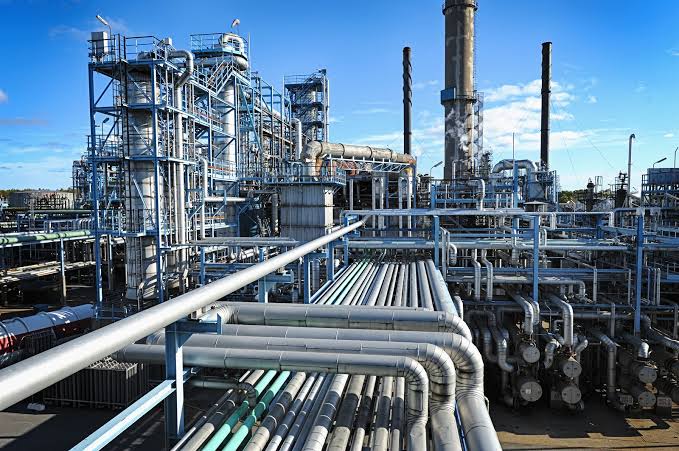
The highlight of the summit was the signing of a legally binding memorandum to construct Power of Siberia 2, a pipeline designed to deliver 50 bcm of gas every year from Russia’s Yamal fields to northern China, with Mongolia serving as the key transit route. Spanning roughly 2,600 kilometers, the pipeline is expected to become one of the world’s most ambitious energy projects and is slated to operate for at least 30 years once completed.
The agreements mark a significant pivot in Russia’s energy strategy as Moscow turns increasingly toward Asian markets following the collapse of European demand due to Western sanctions. Analysts say the deal could reshape global gas flows, potentially reducing China’s reliance on liquefied natural gas imports from suppliers such as the U.S., Qatar, and Australia.
Despite the signing, key details on financing and pricing for Power of Siberia 2 remain unresolved. Industry experts caution that while the memorandum is a breakthrough, further negotiations will determine how quickly the project moves forward. Construction could begin within the year, with the pipeline expected to come online in the early 2030s.
For Mongolia, the project represents both economic opportunity and strategic leverage. As the main transit nation, it stands to benefit from infrastructure investment and closer cooperation with its two powerful neighbors.
If realized, Power of Siberia 2 would place China at the center of Russia’s export strategy, symbolizing Moscow’s long-term commitment to the East. The project is seen as a defining step in reshaping Eurasia’s energy map for decades to come.