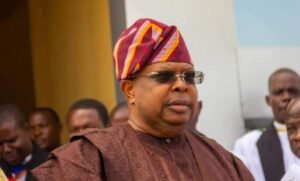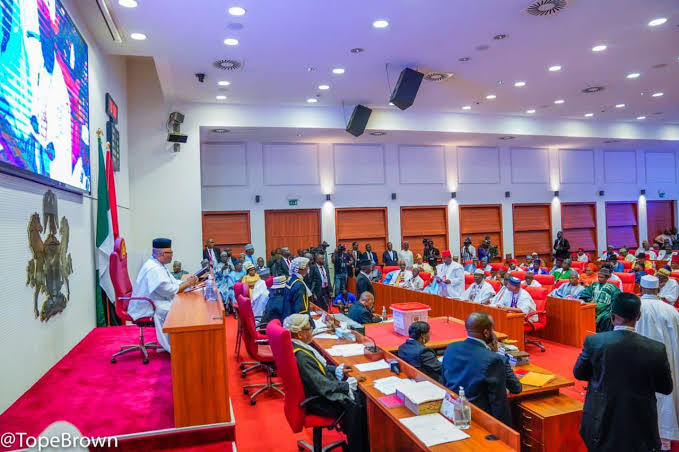
The Nigerian Senate Committee on Appropriations has raised serious concerns over the country’s growing debt and recurring shortfalls in oil revenue while reviewing the proposed 2026 budget. The committee, chaired by Senator Solomon Adeola, grilled Finance Minister Wale Edun on the credibility of revenue projections and Nigeria’s N152 trillion debt.
Lawmakers warned that previous budgets have consistently overestimated oil revenue, creating funding gaps that strain government programs. Adeola stressed that the executive’s assumptions must be realistic to ensure accountability and avoid repeating past mistakes. He also suggested that selling certain national assets could help reduce the debt burden and lower future borrowing costs.
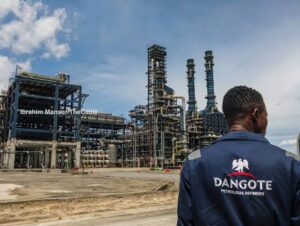
Responding, Minister Edun defended the 2026 budget’s oil production target of 1.84 million barrels per day, describing it as a deliberate “stretch goal” intended to drive higher output. He added that forward crude contracts are being used to secure future revenues without risking federation finances.
Edun also assured lawmakers that security spending remains a top priority, with emergency funding allocated for critical foreign military equipment. He highlighted improving economic indicators, including four percent growth, declining inflation, rising foreign reserves, and a stable exchange rate.
Meanwhile, Nigeria Revenue Service Chairman Zacch Adedeji attributed recurring funding shortfalls to unrealistic revenue assumptions. He explained that under the Petroleum Industry Act, government revenue comes only from taxes and royalties on oil, not total production, meaning only a portion of output translates into actual government earnings. Adedeji emphasized that budgets must be based on practical income projections to avoid implementation problems.
The Senate session highlighted the tension between ambitious government targets and fiscal realities, as Nigeria seeks to manage debt while supporting economic growth and stability.