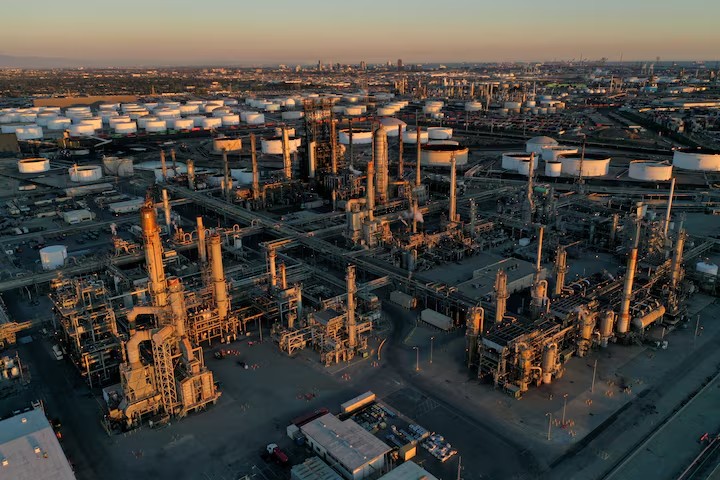
Serbia is bracing for major economic and energy disruptions following the halt of operations at its sole oil refinery, a shutdown triggered by US sanctions on the company’s Russian majority owners. Analysts warn the consequences could drag on for years, threatening jobs, state revenues, and the wider financial system.
The refinery, operated by the Petroleum Industry of Serbia (NIS), has been unable to receive crude oil since early October after its Russian shareholders were targeted under sanctions linked to the war in Ukraine. With no progress on negotiations to sell the Russian stake, the company suspended operations earlier this week.
Economists fear the impact will ripple through the entire economy. Former central bank governor Dejan Soskic cautioned that reduced refinery output would weigh on national growth for an extended period. NIS has historically supplied about 80% of the country’s fuel demand, meaning Serbia must now rely more heavily on imports.
Hungary’s MOL has agreed to step up oil deliveries, but experts say importing such large volumes is costly and unsustainable over time.
President Aleksandar Vucic acknowledged the risks, noting that the company can use domestic payment systems only until the end of the week. Beyond that, the government faces difficult choices. Continued dealings with a sanctioned company could expose Serbia’s central bank to punitive measures from Washington — a scenario Vucic warned could severely destabilize the country’s financial sector.
NIS is deeply woven into Serbia’s economy. The company contributes over €2 billion annually to the state budget and employs more than 13,000 people. It also controls roughly 20% of the country’s fuel stations, meaning a prolonged shutdown could force closures across its retail network. Energy specialist Zeljko Markovic warned that Russia’s Lukoil, which operates more than 100 stations and faces its own licensing challenges, could also be forced off the market. Together, the two companies make up nearly a third of Serbia’s fuel retail system.
The Serbian government holds nearly 30% of NIS, while 56% is controlled by Russian owners. Vucic has set a mid-January target to complete a sale of the Russian stake, with bidders from Hungary and the UAE reportedly in the running. If no deal is reached, he said the state is prepared to buy the company outright and has allocated €1.4 billion for that purpose.
Meanwhile, Serbia is also negotiating its next gas supply agreement with Russia, which currently provides 90% of the country’s natural gas. The president warned that if a new deal is not secured by Friday, Serbia will immediately begin talks with alternative suppliers.