A Singapore-linked energy company has made a major offshore oil breakthrough in West Africa, uncovering what tests indicate is a 950-million-barrel oil reservoir in Benin’s Sèmè Field, an asset long thought to be commercially unviable.
The discovery follows drilling at the AK-2H well by Akrake Petroleum, an indirect subsidiary of Singapore-listed Rex International Holding. The well penetrated more than 1,400 metres of reservoir, revealing roughly 950 metres of oil-bearing sandstone, a result that has significantly upgraded expectations for the field’s potential.
Advanced logging-while-drilling technology was used to steer the well through oil-saturated zones only, improving accuracy and reducing development risk. Early technical data point to strong reservoir quality, with porosity exceeding 19% and oil saturation above 70%, both considered encouraging indicators for commercial production.
To support efficient output, the operator has incorporated autonomous inflow control valves into the well design to manage water and sand intrusion, while a downhole electrical submersible pump is being installed to boost flow rates. Initial production from the first development phase is expected to reach between 15,000 and 16,000 barrels per day.
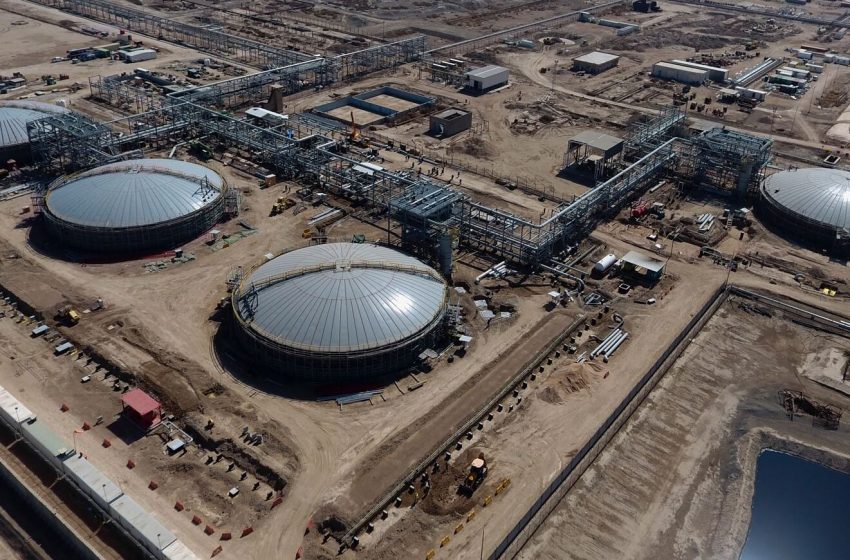
Infrastructure preparations are also nearing completion, with a mobile offshore production unit and a floating storage and offloading vessel scheduled to support the planned restart of production.
The Sèmè Field has a long but interrupted history. It produced about 22 million barrels of oil between 1982 and 1998 before being shut down amid low oil prices and technical difficulties.
The current redevelopment is being carried out under a production-sharing agreement, with Rex holding a 76% interest, the Beninese government 15%, and Octogone Trading the remaining 9%.
For Benin, the development could mark a turning point. The country has recorded little to no crude oil output in recent years, including zero production in 2024, according to international energy data.
A successful restart at Sèmè could revive the offshore sector, generate new revenue, and create jobs, while modestly reshaping the regional energy landscape in the Gulf of Guinea.