South Korea is moving to secure new crude oil supply lines in North Africa as instability around the Strait of Hormuz continues to disrupt global energy trade.
With rising tensions between the United States and Iran affecting tanker traffic through the strategic corridor, Seoul has opened discussions with energy authorities in Algeria and Libya’s state oil firm, the National Oil Corporation, to explore alternative crude and naphtha supplies.
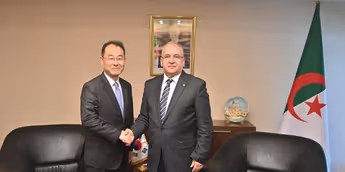
The diplomatic engagement was led by Park Jong-han, South Korea’s Deputy Foreign Minister for Economic Affairs, during recent visits to both countries. Talks focused on the possibility of directing part of their oil output to South Korean buyers as the country seeks to reduce its exposure to Middle Eastern supply shocks.
Libyan officials indicated a willingness to allocate oil volumes to South Korea, provided commercial and technical conditions are met, including crude grade compatibility, delivery schedules, and buyer credibility. Discussions also examined the suitability of Libya’s heavy crude for South Korea’s advanced refining systems.
Algeria was similarly identified as a strategic partner due to its steady production capacity and Mediterranean export routes, which offer an alternative path to Asian markets.
Although South Korea depends entirely on imported crude oil, it has developed one of the world’s most sophisticated refining industries. The country processes crude into fuels and petrochemical products that are re-exported across the Asia-Pacific region.
Officials noted that maintaining consistent crude inflows is critical not only for domestic energy security but also for preserving South Korea’s role as a key exporter of refined petroleum products, especially at a time when geopolitical tensions threaten traditional oil transit routes.