Protests have erupted in several parts of Syria over recent increases in fuel prices, with residents expressing concern about the impact of higher transport and energy costs on already struggling households.
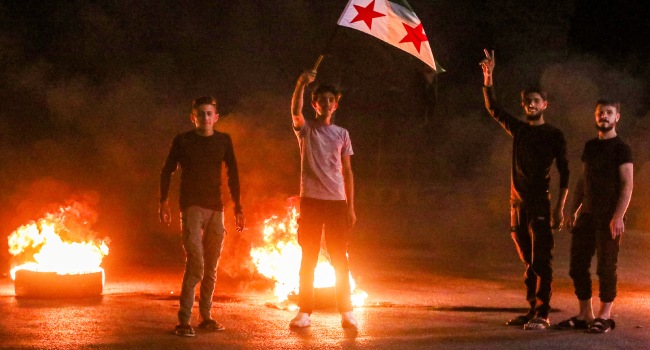
Demonstrations were held for a second consecutive day on Monday, including in Maarat al-Numan, where protesters temporarily blocked a major road by setting tyres on fire.
Similar protests were reported in Hasakeh, Atarib, Azaz and Khan Shaykhun.
Taxi driver Fateh Hamsho, 67, said residents were worried about coping with the higher cost of fuel as winter approaches.
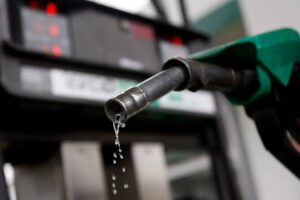
The demonstrations followed the Syrian government’s decision to raise fuel prices on Sunday in response to rising international energy costs linked to the ongoing conflict in the Middle East.
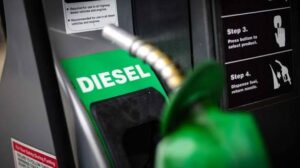
Diesel prices increased by 40 per cent, rising from 125 Syrian pounds per litre to 175 pounds, while petrol prices went up by 26 per cent.
The increases have raised concerns in a country where poverty remains widespread. The United Nations estimated that about 90 per cent of Syrians were living below the poverty line by the end of 2024, while the minimum monthly wage was around 12,560 pounds.
The government has described the latest price adjustments as temporary, attributing them to movements in international markets and the impact of the conflict involving Iran.
Abdul Hamid Salat, head of the Energy Ministry’s media department, said Syria’s dependence on imported fuel had made the country particularly vulnerable to increases in global energy prices.
Syria’s domestic oil production is also insufficient to meet demand. Salat said the country currently produces about 100,000 barrels of crude oil per day, compared with domestic requirements estimated at between 300,000 and 325,000 barrels per day.
The protests are significant because they are the first reported demonstrations of their kind since Islamist authorities took control after the removal of former President Bashar al-Assad in December 2024.
Under Assad, public demonstrations were heavily restricted, while protests that began against his government in 2011 were met with a violent crackdown that eventually developed into a 13-year civil war.
The Syrian parliament is expected to question Energy Minister Mohammad al-Bashir on Thursday over the reasons behind the latest fuel price increases.
The government is expected to face growing pressure to address the economic impact of the higher prices as households contend with rising living costs and limited incomes.