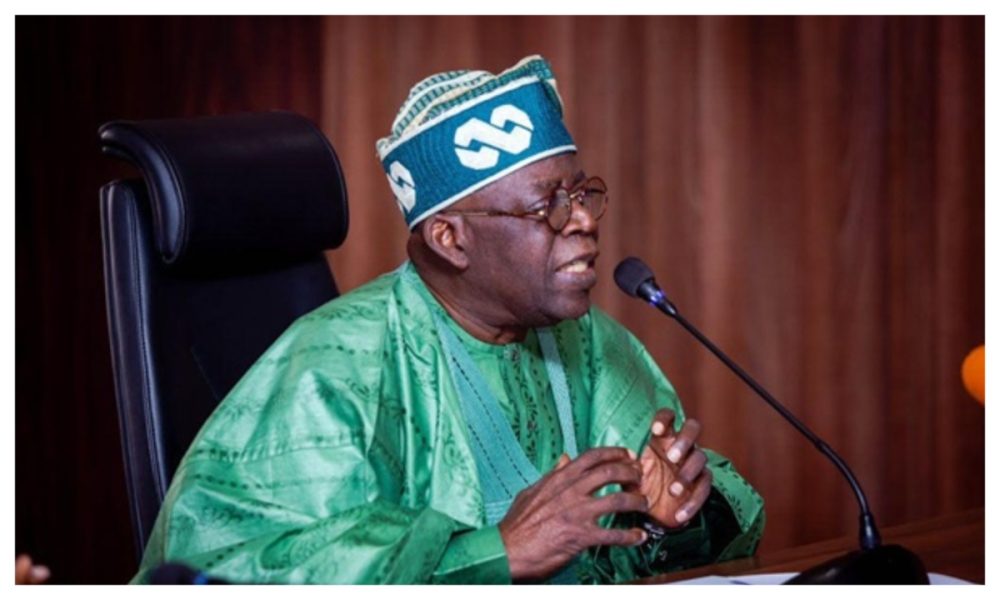
President Bola Ahmed Tinubu’s decision to redirect oil-related revenues to the federation account has sparked fresh debate across Nigeria’s oil and gas industry, with experts, labour unions and petroleum marketers expressing differing views on the move.
The controversy follows the issuance of Executive Order 09, announced last week by presidential spokesman Bayo Onanuga. The directive ends two revenue streams previously retained by the Nigerian National Petroleum Company Limited (NNPCL): the 30 per cent management fee on profit oil and gas and the Frontier Exploration Fund.
It also mandates that gas flaring penalties and other income sources of the national oil company be paid directly into the federation account.
The Federal Government says the order could add about ₦14 trillion to the federation account and strengthen transparency in the management of oil revenues. However, the policy has unsettled parts of the industry, particularly over its implications for the Petroleum Industry Act (PIA).
The President of the Petroleum and Natural Gas Senior Staff Association of Nigeria (PENGASSAN), Festus Osifo, has called on President Tinubu to withdraw the executive order, warning that it could undermine the PIA and weaken investor confidence in the sector.
In contrast, Professor Emeritus of Petroleum Economics, Wumi Iledare, disagreed with the union’s position, arguing that its concerns were being directed at the wrong target. While acknowledging that the executive order has wide-ranging consequences, he noted that some provisions intersect with existing sections of the PIA and require careful interpretation.
The Presidency has defended the order, insisting it is consistent with the Nigerian Constitution and aimed at improving accountability within the national oil company.
Energy expert and Managing Partner of TENO Energy Resources Limited, Tim Okon, said the preferred approach to addressing any shortcomings in the PIA should be through legislative amendment rather than executive action. According to him, the National Assembly remains the appropriate body to amend existing laws, including the PIA.
On his part, the President of the Petroleum Products Retail Outlets Owners Association of Nigeria, Billy Gillis-Harry, described the executive order as a step toward correcting what he called harmful provisions in the PIA. He welcomed the directive, saying it signals the administration’s willingness to confront long-standing problems in Nigeria’s oil revenue management.
Gillis-Harry also referenced persistent allegations of unremitted and missing oil revenues over the years, noting that publicly available records show significant sums that were never paid into government coffers.
Meanwhile, concerns persist over the financial records of the Nigerian National Petroleum Company Limited. The company’s leadership, headed by Bayo Ojulari, is yet to fully account for about ₦210 trillion reportedly flagged as unaccounted for in audited financial statements between 2017 and 2023. The issue has been raised by the Senate Committee on Public Accounts, chaired by Senator Aliyu Wadada.