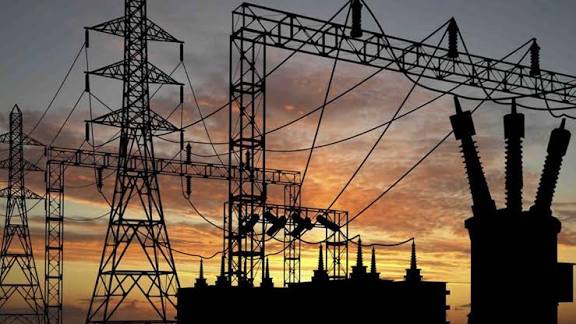
Power supply across parts of Lagos has remained unstable for more than a week following faults on two major 330-kilovolt (330kV) transmission lines and reduced electricity generation on Nigeria’s national grid.
Ikeja Electric, the distribution company serving a large portion of Lagos, said the disruption has affected electricity supply to several areas within its network, including Ikeja and Oworonshoki, while residents in other parts of the state have also experienced prolonged blackouts.
The company attributed the situation to weakened power generation on the national grid and the failure of the two transmission lines that supply electricity to its network.
According to Ikeja Electric, efforts are ongoing in collaboration with relevant stakeholders in the power sector to restore normal electricity supply, although no timeline has been provided for full restoration.
The utility apologised to customers for the disruption, assuring them that work is underway to resolve the technical issues and improve supply as quickly as possible.
The latest outage highlights the persistent challenges facing Nigeria’s electricity sector, where aging transmission infrastructure and inadequate investment continue to limit reliable power delivery despite available generation capacity.
Heavy rainfall during the current rainy season has also increased the risk of transmission faults, with storms and lightning frequently damaging power lines and other grid infrastructure. The situation is particularly significant in Lagos, where high residential and industrial electricity demand makes the city especially vulnerable to supply disruptions.