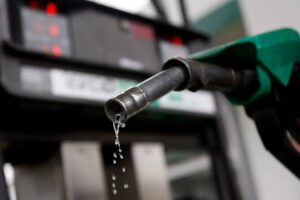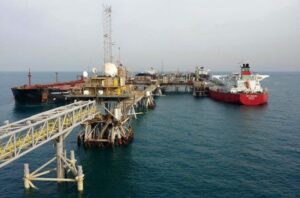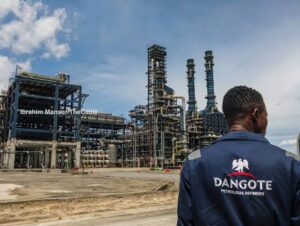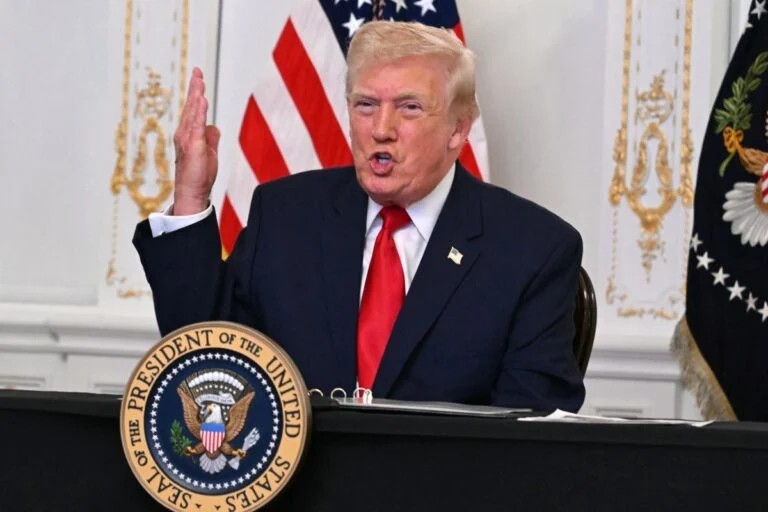
US President Donald Trump is pushing for at least $100 billion in investment to unlock Venezuela’s oil reserves, but top oil executives are warning that the country’s current political and economic situation makes large-scale investment extremely risky.
Trump met with leaders of major oil companies, including Exxon, Chevron, Spain’s Repsol, and Italy’s Eni, at the White House to discuss the plan, which follows a US operation on January 3 that removed Venezuelan President Nicolas Maduro.
The President said the move could help lower energy prices and stressed that US companies would deal directly with Washington rather than Venezuelan authorities. “You’re dealing with us directly. You’re not dealing with Venezuela at all,” he said.
Despite Venezuela’s vast oil reserves, executives were cautious. Exxon CEO Darren Woods described the country as “uninvestable” under current conditions, pointing to past asset seizures and ongoing political uncertainty. Chevron remains the only major US company still actively producing in Venezuela, while smaller international firms like Repsol and Eni maintain limited operations.
Some smaller oil companies may be willing to make short-term investments, but analysts say the $100 billion figure Trump suggested is far from realistic. Rystad Energy estimates that annual investment of $8–9 billion would be needed to triple Venezuela’s oil production by 2040.
“Companies are showing support without committing large sums,” said David Goldwyn, former US special envoy for international energy affairs.
Even firms already operating in Venezuela are moving cautiously.
Chevron expects to gradually increase production, while Repsol sees a potential to triple its output over the next few years but only under favorable conditions. Experts say significant expansion will require political stability, security guarantees, and legal certainty.
Analysts warn that Americans should not expect immediate drops in oil prices. “It will be difficult to see big commitments before we have a fully stabilized political situation,” said Claudio Galimberti, chief economist at Rystad Energy.