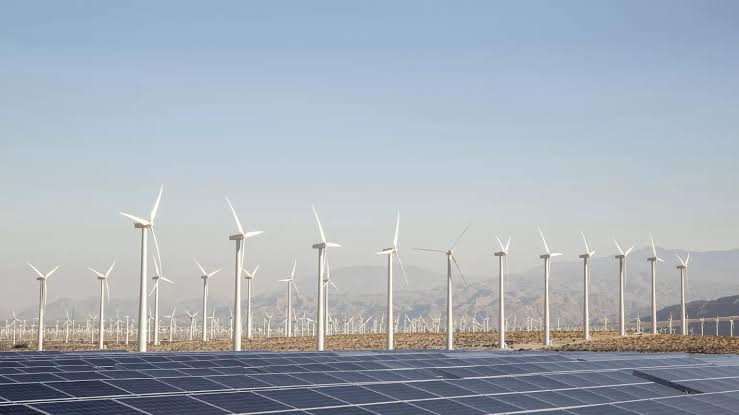
The United Kingdom has stepped back from a major renewable energy project that aimed to import solar and wind power from Morocco, citing concerns over feasibility and national security.
The initiative, spearheaded by UK-based firm Xlinks, had promised to deliver clean energy via nearly 4,000 kilometers of undersea cables stretching from North Africa to the British grid. It was expected to provide enough power for around seven million UK homes roughly 8% of the country’s current electricity demand.
But in a statement released Thursday, the Department for Energy Security announced it would no longer back the $33 billion venture, describing the plan as carrying “unacceptable levels of risk.” Officials said the government will now shift focus to domestic and more reliable energy sources.
“There are stronger and safer alternatives available that offer better value for British consumers and taxpayers,” said Energy Minister Michael Schanks.
The UK has been aggressively working toward its target of sourcing all electricity from renewables by 2030. The government shut down its last coal plant in 2024 and has invested in a range of homegrown solar, wind, and battery storage projects to meet its clean energy goals.
Large-scale infrastructure projects like Xlinks often depend on government guarantees or long-term fixed-price agreements. Despite securing early support from international investors, including France’s TotalEnergies and the Africa Finance Corporation, the project has now lost a critical pillar, UK government backing.
Reacting to the news, Xlinks chairman Dave Lewis expressed deep disappointment and said the company plans to continue the project independently.
“We believe our solution remains faster and more cost-effective than alternatives like nuclear,” Lewis said.
Xlinks is part of a broader European push to harness North Africa’s abundant sun and wind power. Similar efforts are underway in Tunisia and Egypt, which aim to supply energy to southern Europe via undersea cables.
If completed, Xlinks would still mark the world’s longest submarine power transmission line, surpassing existing connectors that link the UK to nearby European countries.