Tensions in the Middle East escalated further as Iran and the United States issued mutual threats against each other’s oil infrastructure, raising fears of a prolonged regional conflict and further disruption to global oil supplies.
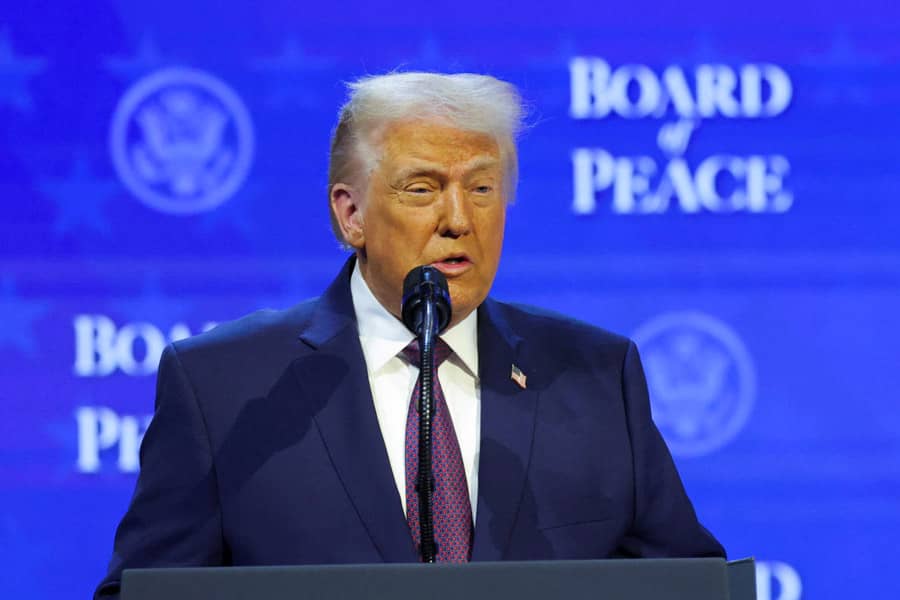
The confrontation follows two weeks of military clashes that have reportedly claimed over 1,200 lives in Iran and displaced millions. US President Donald Trump announced that he had considered destroying Iran’s major oil export hub on Kharg Island but decided against immediate action. He warned, however, that any interference with shipping through the Strait of Hormuz could trigger renewed attacks.
In response, Iran’s military declared that oil facilities linked to the US would be “reduced to ashes” if targeted. Tehran has also launched missile and drone strikes across multiple countries, signaling its capacity to retaliate despite the superior firepower of US and Israeli forces.
The ongoing conflict has disrupted the Strait of Hormuz, a vital route for global oil shipments, causing crude oil prices to surge by more than 40% since hostilities began. Gulf nations are bracing for further attacks, with Qatar and Saudi Arabia reporting intercepted missiles and drones. Turkey confirmed that NATO forces had shot down a ballistic missile launched from Iran.
Inside Iran, the situation remains volatile. Heavy airstrikes shook Tehran, while authorities maintain an internet blackout and have warned of strong responses to any protests following earlier demonstrations in which thousands were reportedly killed. The new Iranian supreme leader, Mojtaba Khamenei, remains largely out of public view after the death of his father, Ali Khamenei.
Beyond Iran, the conflict has drawn in Lebanon, where an Iranian-backed group’s attack on Israel prompted an Israeli strike that reportedly killed a dozen healthcare workers. The ongoing war continues to strain regional stability and threaten the global economy.