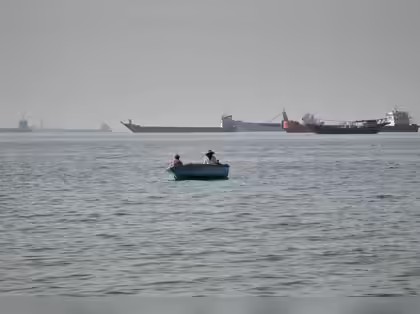
The United States military is stepping up protection for oil tankers passing through the Strait of Hormuz as tensions involving Iran continue to affect global energy supply routes.
U.S. Energy Secretary Chris Wright said the military is currently escorting ships carrying about 7 million barrels of crude oil and refined products each day through the key waterway. He shared this during an energy security meeting in Houston.
Before the recent conflict involving Iran, around 20 million barrels of oil moved daily through the Arabian Gulf via the strait. Since then, part of the supply has been redirected through pipelines and other transport routes, while global production increases have helped reduce the shortfall. However, supply levels are still lower than before the disruption.
Wright explained that the amount of oil now moving with military protection is gradually increasing and is approaching half of what was lost during the disruption period.
The situation comes as U.S.–Iran relations remain unstable. U.S. President Donald Trump has recently shifted between strong warnings, possible military action, and talk of reaching a diplomatic agreement with Iran, depending on the direction of negotiations.
The instability has also pushed up global oil and fuel prices, adding pressure to inflation and increasing concerns about the cost of living in the United States and other countries.
U.S. officials say the escort missions are aimed at keeping oil flowing through one of the world’s most important shipping routes while also maintaining pressure on Iran over security and nuclear concerns.
The administration is also reviewing possible steps to reduce fuel costs, including tapping the Strategic Petroleum Reserve or considering temporary tax relief on fuel, though such moves would require approval from lawmakers.
Officials say the main goal is to balance national security concerns with the need to keep energy prices stable for consumers, even as the situation in the region remains uncertain.