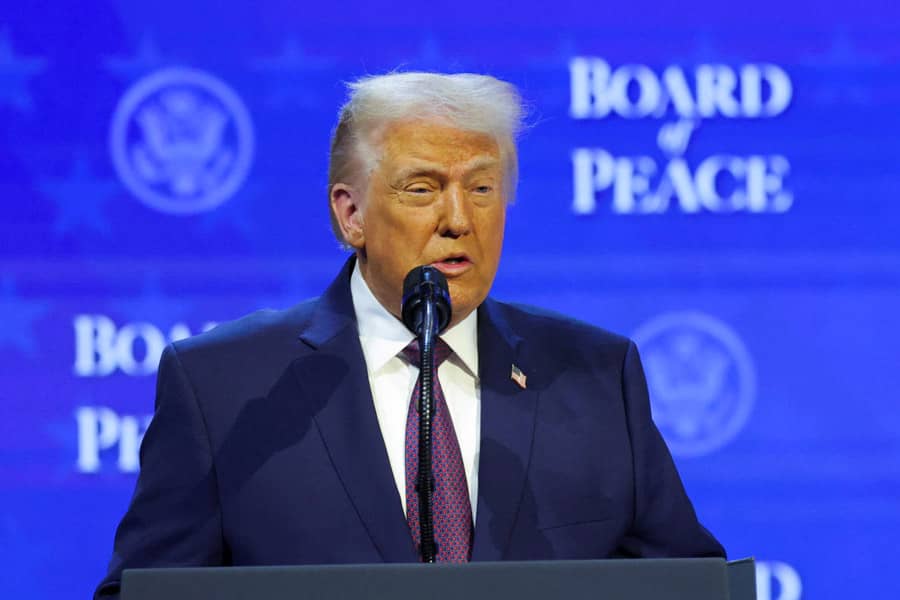
US President Donald Trump has postponed his earlier warning to Iran over its energy infrastructure, giving Tehran extra time as diplomatic negotiations continue. The new deadline for possible US strikes has been set for April 6, 2026, according to a statement from the White House.
Trump initially threatened attacks on Iran’s oil and gas facilities after the Islamic Republic blocked access to the Strait of Hormuz, a vital waterway through which about one-fifth of the world’s oil and liquefied natural gas passes. The move sent energy markets into turmoil and heightened fears of a wider conflict.
US Secretary of State Marco Rubio called on G7 nations to support efforts to reopen the strait safely, stressing the importance of stabilizing global oil flows.
According to the president’s envoy, Steve Witkoff, Washington has sent a 15-point proposal to Tehran through Pakistani intermediaries, with early indications that Iran may be willing to negotiate.
Iranian media reported that Tehran responded to the proposal, requesting reparations for war-related damage and insisting on recognition of its authority over the strait. Tehran also demanded an end to attacks on its territory and allied groups in the region.
Meanwhile, the conflict continues to escalate. Israel carried out extensive strikes on Tehran, targeting key infrastructure, while explosions were reported in southern Beirut, a Hezbollah stronghold.
Iran’s Revolutionary Guards claimed missile and drone attacks on Israeli positions and US-linked military facilities in the Gulf.
The war began on February 28, 2026, with coordinated US-Israeli airstrikes on Iran. Since then, Tehran has retaliated and effectively restricted passage through the Strait of Hormuz, driving oil prices higher and prompting governments around the world to take emergency measures.
Japan plans to temporarily ease restrictions on coal-fired power plants, while Vietnam has waived environmental taxes on fuel to limit rising petrol costs.
The World Bank said it is ready to assist countries affected by the energy disruption, warning that prolonged infrastructure damage would worsen the global economic impact.
In Israel, opposition leader Yair Lapid said the military is overstretched by the multi-front conflict, calling for more troops to manage security operations in southern Lebanon. Hezbollah confirmed additional rocket attacks into northern Israel, further intensifying the regional tensions.
Despite the ongoing clashes, Trump emphasized that diplomacy offers a potential way to resolve the crisis, maintaining that both sides have reasons to negotiate before resorting to further destruction.