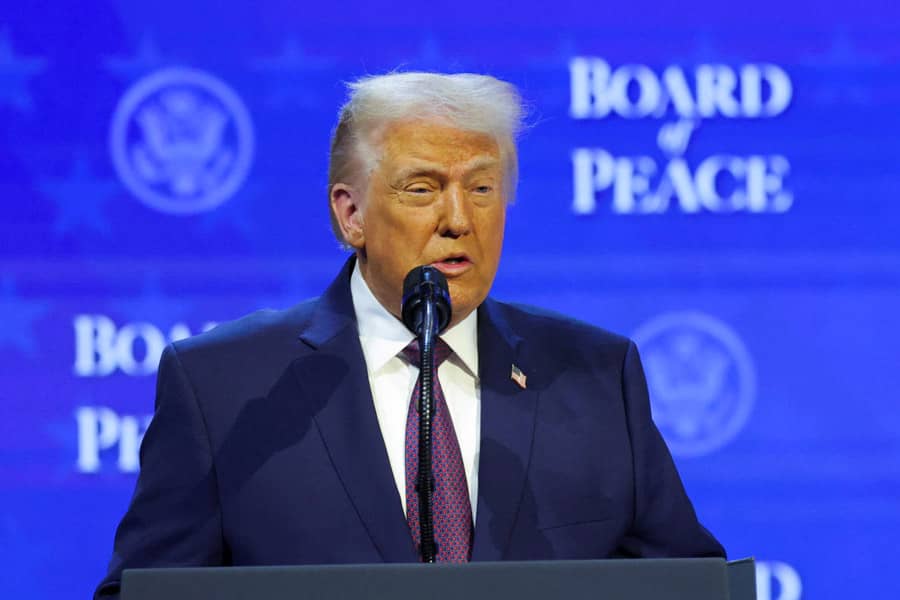
The administration of Donald Trump has agreed to a $1 billion settlement with TotalEnergies, allowing the company to withdraw from two planned offshore wind projects in the United States.
The agreement, announced by the Interior Department, covers wind leases located off the coasts of North Carolina and New York. Under the deal, the company will be reimbursed for its lease costs and is expected to redirect its investments toward oil and gas developments.
Officials described the move as a shift away from what they consider costly and unreliable renewable energy projects. The administration has consistently opposed offshore wind expansion, though earlier attempts to halt construction were blocked by federal courts.
Environmental advocates have strongly criticised the arrangement, arguing it effectively pays a private company to abandon clean energy development. Critics say the deal undermines efforts to expand renewable power and could slow progress on climate goals.
During his second term, Trump has prioritised fossil fuel production, maintaining that increased oil and gas output will reduce energy costs, improve supply stability and strengthen the country’s global competitiveness.
TotalEnergies had already paused its offshore wind activities in the US following the election. As part of the new agreement, the company has committed not to pursue additional offshore wind projects in the country.
Its CEO, Patrick Pouyanné, said the decision reflects a strategic shift toward investments considered more viable in the current policy environment.
The refunded funds are expected to support a liquefied natural gas project in Texas, along with expanded oil and gas operations. The reimbursement will be limited to the value of the company’s original lease payments.
Government officials welcomed the move, saying it aligns with efforts to promote dependable and affordable energy. However, leaders in affected states pushed back against the decision.
New York Governor Kathy Hochul criticised the deal as a misuse of public funds, while North Carolina Governor Josh Stein described it as wasteful and harmful to clean energy development.
The policy marks a clear departure from the previous administration’s approach under Joe Biden, which promoted offshore wind as a major part of the country’s climate strategy.
Despite federal resistance, offshore wind projects continue to grow globally, with countries like China leading new installations. In the US, some projects have progressed after developers successfully challenged federal restrictions in court.