Nigeria’s oil production has continued to improve as pipeline losses decline and security around oil assets strengthens, according to data from the Nigerian Upstream Petroleum Regulatory Commission.
The country’s combined crude oil and condensate output rose to about 1.735 million barrels per day in June, marking the fourth consecutive monthly increase.
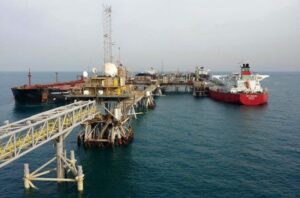
The improvement has been attributed to reduced oil theft, better protection of pipelines and increased stability in the Niger Delta. Security operations by Tantita Security Services Nigeria Limited, working with other security agencies, have also contributed to protecting critical oil infrastructure.
For years, pipeline vandalism, crude theft and attacks on oil facilities disrupted production and caused significant revenue losses for the country. The recent reduction in pipeline losses has allowed operators to maintain more consistent production and improve crude supply.
Nigeria also met its OPEC production target for the third consecutive month in July. NUPRC data showed that the country produced an average of 1.67 million barrels per day of crude oil and condensate during the month.
Crude oil accounted for 1.505 million barrels per day, while condensate contributed about 170,000 barrels per day. Daily production peaked at 1.78 million barrels per day but fell by four per cent compared with June due mainly to operational challenges at the Erha and Akpo fields.
Despite the decline, Nigeria still exceeded the OPEC crude production target of 1.5 million barrels per day.
The improvement in production has also supported crude supplies to domestic refineries.
NUPRC’s second-quarter data showed that local refineries received 53.7 million barrels of crude oil and condensate between April and June, representing 97.4 per cent compliance with the Domestic Crude Supply Obligation.
The Dangote Refinery was offered 68.1 million barrels during the quarter against its requirement of 63 million barrels. It ultimately accepted 52.6 million barrels.
The regulator said the improvement in domestic crude supply coincided with increased oil production and the signing of long-term crude supply agreements between producers and domestic refiners.
Stakeholders said continued protection of pipelines would be important to sustaining the gains in production.
President-General of the Niger Delta Progressive Alliance, Nse Udoh, said secure pipelines were essential to the stability of the petroleum value chain because disruptions could affect production, exports, refinery operations and government revenue.
Community leaders have also backed continued support for oil asset protection efforts, saying improved security has helped reduce crime and created employment opportunities in some oil-producing communities.
With oil production recovering and pipeline losses declining, the developments could improve government revenue, foreign exchange inflows and the broader fiscal outlook, provided the gains are sustained.