Venezuela’s state-run oil company, PDVSA, has begun cutting crude production after a U.S. export embargo brought the country’s oil shipments to a halt, leaving storage facilities close to capacity.
Industry sources said the company has started shutting down oilfields and well clusters as unsold crude builds up onshore and in floating storage. The situation has been worsened by a shortage of diluents needed to process Venezuela’s heavy crude for export, forcing PDVSA to slow operations across several projects.
The production cuts come amid political upheaval in Caracas following the arrest of President Nicolás Maduro and the installation of an interim government. Oil exports, Venezuela’s main source of foreign revenue, have effectively stopped after U.S. sanctions blocked tanker movements and tightened pressure on buyers.
PDVSA has asked several joint ventures, including those involving China National Petroleum Corporation and U.S. oil major Chevron, to reduce output. At the Sinovensa project, workers are preparing to disconnect up to 10 well clusters due to excess crude accumulation, though the wells could be restarted once conditions improve. Output has also been reduced at Petromonagas as operators await fresh supplies of diluents.
Chevron’s operations have so far avoided production cuts, benefiting from limited remaining storage space. However, while tankers have continued loading, none have departed Venezuelan waters in recent days, raising concerns that output reductions could soon extend to those projects as well.
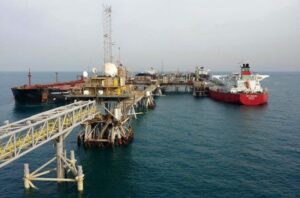
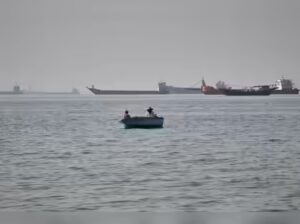
More than 17 million barrels of Venezuelan oil are currently stranded on ships being used as floating storage, according to shipping data. With export terminals largely idle and storage filling fast, energy experts say further production cuts may be unavoidable if the embargo remains in place.
Before the latest sanctions, Venezuela was producing around 1.1 million barrels of oil per day. Exports had already fallen sharply in recent weeks, highlighting the growing strain on an oil sector that remains critical to the country’s economy and political stability.