Nigeria’s 2025 oil licensing round is expected to achieve its production and reserve expansion goals if efforts to secure oil facilities and curb crude theft are sustained, according to industry stakeholders.
The Nigerian Upstream Petroleum Regulatory Commission (NUPRC) aims to add 500 million barrels to the country’s crude reserves and raise oil production by 300,000 barrels per day within three years through the licensing exercise.
The regulator disclosed that 143 companies submitted 200 bids for 37 of the 50 oil blocks offered during the commercial bidding phase, reflecting strong investor interest in the country’s upstream sector.
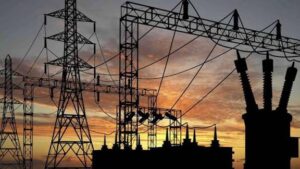
Industry experts, however, say attracting investors alone will not guarantee success. They argue that protecting pipelines and production facilities from vandalism and oil theft remains critical to ensuring new investments translate into higher output.
The Federal Government has continued to rely on Tantita Security Services Nigeria Limited and other security agencies to monitor oil infrastructure in parts of the Niger Delta. Stakeholders say enhanced surveillance has contributed to improved production by reducing pipeline breaches and illegal crude diversion.
Chief Executive Officer of the Centre for the Promotion of Private Enterprise, Muda Yusuf, described the licensing round as a positive development for Nigeria’s economy, noting that increased investment in oil exploration could strengthen foreign exchange earnings, improve reserves and support the naira.
He added that safeguarding oil and gas infrastructure would encourage greater investor confidence and help operators expand production capacity.
Energy analyst Steven Martins also stressed that the newly awarded blocks would require sustained security as companies begin exploration and development activities. He noted that the assets span producing and frontier basins across the Niger Delta, Benin Basin, Anambra Basin, Chad Basin and the Benue Trough.
According to him, protecting oil facilities should remain a priority if the country hopes to realise the expected reserve additions from the licensing exercise.
Speaking at the commercial bid conference, NUPRC Chief Executive Officer, Mrs. Oritsemeyiwa Eyesan, said the blocks on offer have the potential to significantly increase Nigeria’s oil and gas reserves.
She explained that the licensing round could add about 500 million barrels to existing crude reserves while strengthening the country’s natural gas resource base.
Eyesan also said the lack of bids for the 13 frontier blocks was anticipated, explaining that the available assets were largely recovered from previous operators and that additional opportunities could be offered in future rounds.
Several companies emerged as successful bidders during the exercise, securing exploration licences across multiple oil blocks.
Beyond investment, stakeholders say pipeline surveillance has become an important part of Nigeria’s energy security strategy.
President-General of the Niger Delta Progressive Alliance, Nse Udoh, said while surveillance does not manage the entire petroleum industry, it plays a vital role in protecting infrastructure that enables production, refining and exports.
According to him, secure crude transportation creates greater certainty for refiners, exporters and investors, allowing for more reliable planning and stronger economic outcomes.
He also argued that improved monitoring has helped reduce pipeline vandalism and illegal refining activities, contributing to higher production levels, increased export earnings and improved fiscal planning.
Traditional rulers and community leaders in the Niger Delta also expressed support for continued oil asset protection efforts, saying improved security has benefited many communities through increased stability and employment opportunities.
The President-General of the Isoko Development Union, Christopher Akpotu, welcomed the National Assembly’s vote of confidence in Tantita Security Services, urging stakeholders to focus on expanding opportunities in the oil and gas sector rather than engaging in disputes.
Similarly, President-General of the Ughelli Descendants Union, Sam Akpemegi, said security conditions have improved since the company began operations, while the Odiologbo of Ofagbe Kingdom, Ogaga Ikpoku, described ongoing surveillance efforts as beneficial to peace and stability in the region.
Stakeholders further noted that stronger protection of oil infrastructure has helped limit environmental damage caused by pipeline sabotage and illegal refining, supporting gradual recovery of affected communities while improving confidence in Nigeria’s upstream petroleum sector.