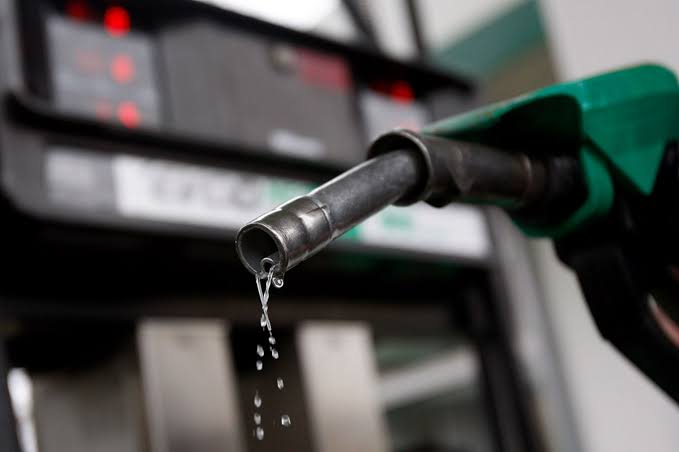
The Nigeria Labour Congress and several civil society groups have criticised the Federal Government and petroleum operators over the recent increase in petrol prices, warning that the development will further worsen the economic pressure on Nigerians.
Petrol prices increased in several parts of the country this week, with industry stakeholders attributing the latest adjustment largely to changes in the price of products supplied by the Dangote Refinery.
The NLC, however, questioned the justification for the increase, arguing that international crude oil prices have remained relatively stable while the naira has recorded some improvement against the dollar.
The Assistant General Secretary of the NLC, Chris Onyeka, accused major players in the petroleum industry of taking advantage of their strong position in the market to raise prices.
He also faulted government regulators for failing to adequately protect consumers from what he described as excessive pricing.
According to him, the continued dependence on a few major suppliers has created a market structure in which consumers have limited protection against sudden price increases.
The NLC called for stronger regulation and the revival of Nigeria’s inactive public refineries, saying greater domestic refining capacity would increase competition and reduce the influence of dominant suppliers.
Civil society organisations also expressed concern over the latest price increase.
The Human Rights Writers Association of Nigeria said the government appeared more focused on protecting businesses in the petroleum sector than addressing the impact of rising fuel costs on citizens.
HURIWA National Coordinator, Emmanuel Onwubiko, questioned why locally refined petrol and imported products were being sold at prices that were relatively close despite differences in their supply costs.
Meanwhile, the Civil Society Legislative Advocacy Centre urged regulators to investigate the factors behind the latest increase and ensure that consumers are not being exploited under the deregulated petroleum market.
Its Executive Director, Auwal Musa Rafsanjani, said deregulation should encourage competition and efficiency rather than allow consumers to bear unexplained increases.
He called on the Nigerian Midstream and Downstream Petroleum Regulatory Authority, the Federal Competition and Consumer Protection Commission and the Ministry of Petroleum Resources to examine the current pricing structure.
Rafsanjani said the review should consider costs such as refinery or depot prices, transportation, financing, storage, insurance, distribution margins and taxes.
He also urged the authorities to investigate possible price fixing, coordinated pricing, artificial scarcity and other practices that could undermine competition.
ActionAid Nigeria similarly called for urgent regulatory action, saying increases in petrol prices have a direct effect on transportation, food costs, businesses and household income.
The Country Director of ActionAid Nigeria, Dr Andrew Mamedu, said the government could support vulnerable Nigerians through measures such as affordable public transport, targeted social protection and assistance for farmers and low-income households.
He stressed that removing fuel subsidies should not mean that government abandons its responsibility to protect Nigerians from the effects of higher energy costs.
On its part, the Independent Petroleum Marketers Association of Nigeria explained that the latest pump price increases were linked mainly to repeated adjustments by the Dangote Refinery.
IPMAN spokesperson, Chinedu Ukadike, said the refinery increased its gantry price from N1,165 per litre to N1,185 and later N1,200 within a week.
He said marketers had little choice but to adjust their retail prices because continuing to sell at the previous rates would result in losses.
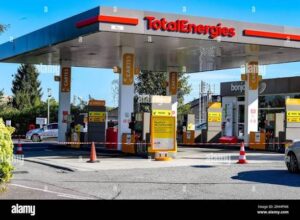
The price changes have already been reflected at filling stations in Abuja. NNPC Retail stations reportedly moved from N1,250 to N1,270 per litre, while TotalEnergies increased its price from N1,250 to N1,275. Bovas stations also moved to about N1,275 per litre.
Ukadike said frequent price changes were creating uncertainty for both marketers and consumers because the cost of replacing petrol stocks could change within a short period.
He attributed petrol price movements to factors including crude oil prices, foreign exchange fluctuations and international developments affecting oil supply.
The IPMAN official, however, expressed hope that the Dangote Refinery’s free transportation programme for marketers would eventually reduce distribution costs and ease pressure on pump prices.
He also advocated greater access to crude oil for domestic refineries, saying increased local production would strengthen competition and could eventually allow Nigeria to export refined petroleum products.
Ukadike further questioned the continued importation of petrol at prices higher than those of locally refined products, arguing that such imports could place unnecessary pressure on Nigeria’s foreign exchange market.
The latest increase has renewed concerns over the impact of petrol pricing on the cost of living, with labour and civil society groups urging regulators to ensure that deregulation delivers genuine competition and does not leave consumers exposed to unexplained price increases.