Nigerian clean tech startup Salpha Energy has secured $1.3 million in funding from All On, a Shell-backed impact investment company, to expand its solar power operations across off-grid communities in Nigeria.
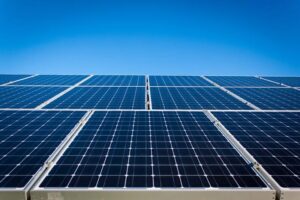
The funding will help Salpha Energy grow its local solar assembly facility, scale product offerings, and increase access to reliable, affordable energy for underserved Nigerians.
“This capital raise is a huge step forward in our vision to power homes and businesses with products designed, assembled, and optimised right here on the continent,” said Sandra Chukwudozie, CEO and founder of Salpha Energy.
“It’s not just about access to electricity – it’s about dignity, productivity, and opportunity for the over 600 million people across sub-Saharan Africa who are still off-grid.”
Chukwudozie, a former UN consultant and graduate of the University of Manchester, founded Salpha to tackle energy poverty in low-income communities. Her company offers turnkey solar systems with smart inverters and storage—ranging from 150Wp to 100kWp—that have already reached over two million people across Nigeria.
The investment is also a strategic play for All On, which aims to bridge Nigeria’s energy access gap by backing local innovators.
“This investment aligns directly with our mission,” said Caroline Eboumbou, CEO of All On.
“We’re providing local currency financing to address the mismatch risk, while supporting a company that delivers innovation, gender inclusion, and local manufacturing leadership.”
She added, “Salpha Energy is not only delivering sustainable energy, it’s creating jobs and building resilience as a female-led clean tech company.”
Salpha remains the only female-founded solar home system assembler in sub-Saharan Africa, according to POCIT.
The deal comes as Nigeria continues to battle widespread energy deficits. According to the United Nations, more than 600 million Africans—over 80% of the global electricity access deficit—still live without reliable power. Salpha’s expansion signals a bold step toward closing that gap.