Nigerians could soon experience a drop in petrol prices as oil marketers signal a potential price cut due to falling crude oil prices on the global market.
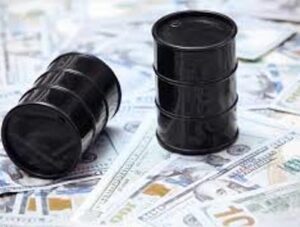
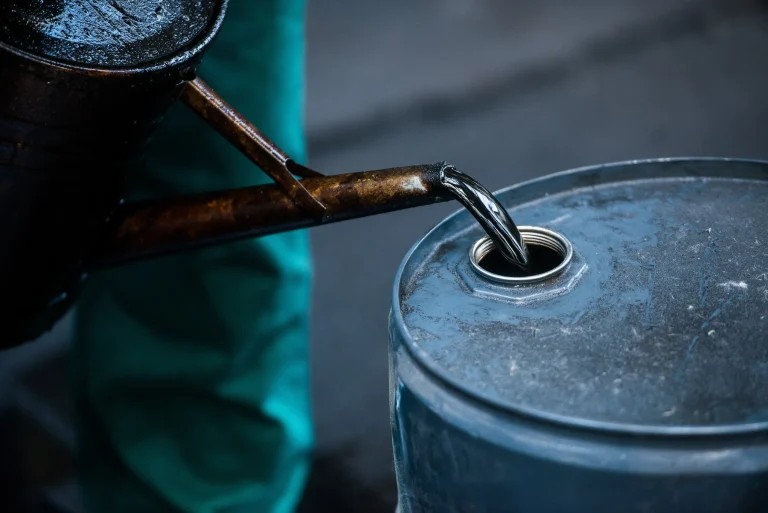
Industry stakeholders, including the Petroleum Products Retail Outlet Owners Association of Nigeria (PETROAN), are expecting a revision in pump prices starting this week. This follows a significant decline in international crude oil prices, with Brent crude now trading around $67 per barrel and West Texas Intermediate at $65 — a sharp drop from earlier highs driven by tensions between Israel and Iran.
Despite this global decline, pump prices in Nigeria have remained high, mostly between ₦915 and ₦955 per litre. In some parts of the North, petrol is selling for as much as ₦980. This price hike was initially triggered when crude hit nearly $80 per barrel earlier in June.
PETROAN’s spokesperson, Joseph Obele, said a new pricing model may take effect soon, with expectations that major suppliers like Dangote Refinery and the NNPC will revise their rates. However, some marketers say it could take a week or two before consumers notice any real changes because fuel currently being sold was sourced when crude prices were higher.
Eche Idoko, representing the Crude Oil Refinery Owners Association, noted that the delay in price adjustment is due to the presence of old stock. He also criticized Nigeria’s fuel pricing system, pointing out that since local refineries like Dangote’s still import crude oil — often from the U.S. — the cost benefits of local refining are not fully passed on to consumers.
Meanwhile, a few private depot operators have started reducing their prices. For instance, Rainoil, A.A. Rano, and NIPCO adjusted their rates slightly over the weekend, suggesting a gradual response to the global crude drop.
Fuel marketers are now urging the federal government to intervene by providing crude oil to domestic refineries at lower rates. IPMAN’s vice president, Hammed Fashola, warned that without such action, prices could have surged past ₦1,000 per litre if the Middle East conflict had worsened. He called for a fixed domestic crude price to ensure affordability and prevent further economic strain on Nigerians.