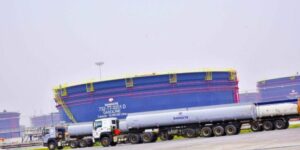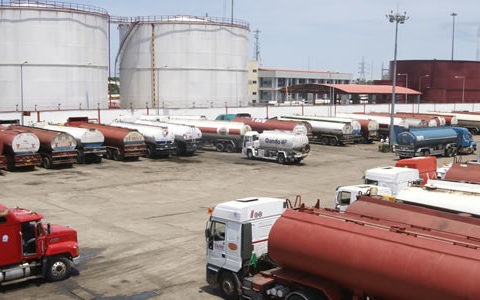
Starting October 1, all petroleum tankers across Nigeria will be restricted to loading a maximum of 45,000 litres of fuel. This new measure, announced by the Independent Petroleum Marketers Association of Nigeria (IPMAN), is part of efforts to curb the rising cases of tanker accidents on Nigerian roads.
Chief Oyewole Akanni, Chairman of IPMAN’s Western Zone, revealed the development after a joint meeting involving key stakeholders in the petroleum transport sector. These include the Petroleum Tanker Drivers (PTD), Nigerian Midstream and Downstream Petroleum Regulatory Authority (NMDPRA), oil marketers, and the Nigerian Association of Road Transport Owners (NARTO).
According to Akanni, some tankers had previously carried as much as 60,000 to 90,000 litres—well above the safe design capacity of their trucks. “This excessive loading not only damages roads but also increases the risk of accidents due to the vehicles becoming unstable,” he said.
As part of the reforms, all tankers will also be required to install spill-control safety covers. These devices are meant to prevent fuel from leaking in the event of a crash unless the tank itself is punctured.
Akanni expressed concern over the activities of vandals who deliberately pierce crashed tankers to steal fuel, often leading to fire outbreaks and loss of lives. He called the trend a serious safety threat that needs urgent public awareness and stricter enforcement.
To further reduce accidents, tanker drivers have been instructed to avoid night driving. The PTD now mandates all drivers to park their trucks by 7:00 p.m. and resume travel at 7:00 a.m. the following day, as most fatal accidents occur at night due to fatigue.
Akanni said the overall aim of the initiative is to improve road safety, protect infrastructure, and safeguard lives. He called for stronger regulations, continuous driver education, and more responsible public behavior, especially around fallen tankers.
“These reforms are long overdue. We need to move from reactive responses to proactive safety culture,” he said.