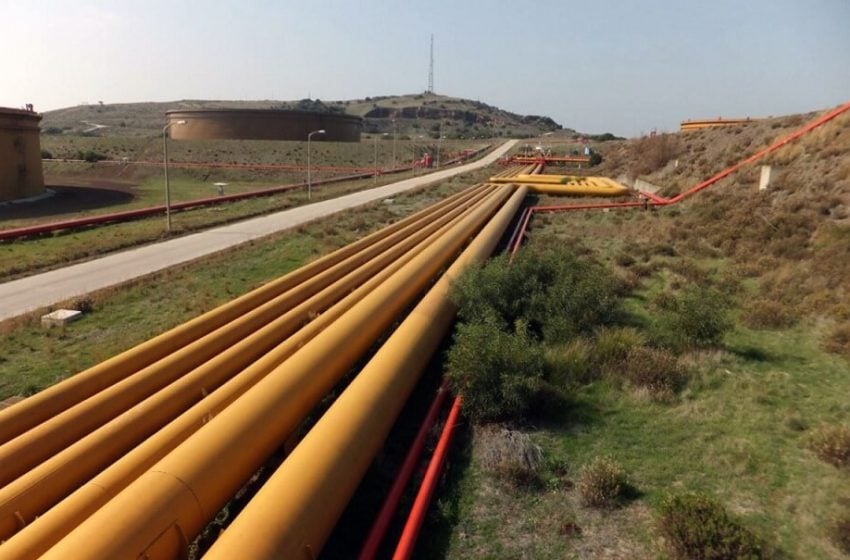
China, Russia, and Mongolia have struck a milestone deal to push ahead with the Power of Siberia 2 pipeline — a move expected to redraw global energy routes and intensify worries in Washington and European capitals.
The memorandum of understanding, signed on September 2, confirms that the pipeline will deliver 50 billion cubic meters of Russian gas to China each year through Mongolia. Once operational around 2031–2032, it will nearly double Russia’s gas exports to China, taking annual volumes to more than 100 bcm, equal to about 20% of China’s present consumption.
Why It Matters
The agreement ended years of wrangling over the pipeline’s route and price. Beijing ultimately accepted Russia’s proposal to run the line through Mongolia after Moscow offered steep discounts. For China, the bargain strengthens energy security by reducing reliance on sea lanes like the Strait of Malacca. For Russia, it opens a vital market after being cut off from most of Europe due to sanctions and the Ukraine conflict.
Mongolia also stands to benefit, with the project promising new revenue streams, jobs, and a boost to its strategic standing in the region. But questions remain over its “Third Neighbor” policy, which emphasizes ties with Western powers that might complicate the project.
China’s Leverage Shows
Analysts say Beijing gained the upper hand in the talks, extracting price breaks and a key safety clause: if Mongolia blocks gas transit, Russia will reroute supplies through Kazakhstan and cover the extra cost. This assurance, long demanded by China, finally unlocked the deal. The project’s capacity is comparable to Europe’s former Nord Stream 1 pipeline, which carried 55 bcm a year before being shut down after the invasion of Ukraine.
Western Pushback Looms
Western policy experts warn that the agreement could undermine sanctions aimed at constraining Moscow’s war effort. By securing long-term energy sales to China, Russia may be able to stabilize its economy and extend its capacity to fund the war.
In response, Washington is said to be weighing aggressive new steps, including tariffs of up to 100% on Russian oil bought by China and India. The US is also expected to press its G7 allies for coordinated measures.
Beijing’s Low-Profile Strategy
China, for its part, has downplayed the development. Officials have spoken only in general terms about “mutual benefit,” a sign analysts interpret as caution to avoid provoking fresh penalties from the US and EU while sensitive trade and technology talks continue.
If completed, the pipeline would lock Russia in as China’s primary energy supplier, giving both countries greater resilience against Western pressure while shifting the balance of power in Eurasia’s energy market.