Stakeholders in Nigeria’s power sector have criticized the federal government’s proposal to extend the cost-reflective electricity tariff beyond Band A, aiming to address the country’s mounting subsidy obligations.
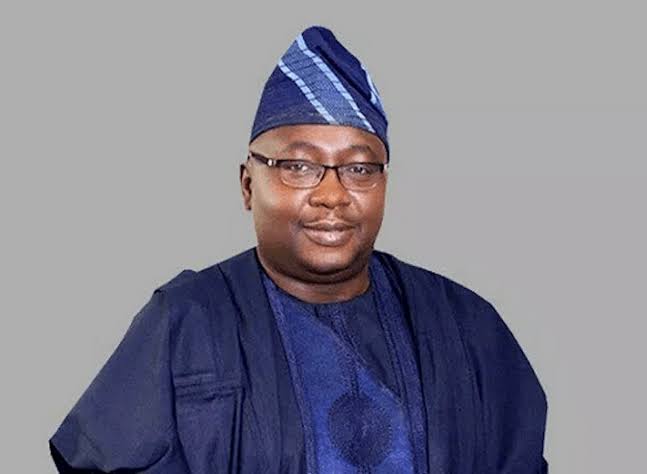
During a meeting with electricity generating companies (GenCos) in Abuja, Power Minister Adebayo Adelabu highlighted that Nigeria’s economy can no longer sustain rising electricity subsidies.
“Our economy cannot sustain subsidies indefinitely,” he said, emphasizing the growing gap between the cost of electricity production and consumer tariffs.
According to recent data from the Nigerian Electricity Regulatory Commission (NERC), the real cost of electricity as of February 2025 stands at N116.18 per kilowatt-hour, while the average consumer tariff is N88.20, leaving a subsidy gap of nearly N28 per kilowatt-hour.
The government currently owes over N4 trillion in unpaid subsidy debts to GenCos.In response, Kunle Kola Olubiyo, president of the Nigerian Consumer Protection Network, expressed concerns about the long-standing inefficiencies in Nigeria’s power sector.
“Access to stable and reliable electricity remains a major constraint to industrial growth and economic development,” he said, stressing the need for digitalization and private sector leadership in power generation.
Olubiyo also pointed to ongoing grid infrastructure failures, operating at just 40% of its capacity, and the persistent issue of power infrastructure vandalism as significant obstacles to reliable electricity supply.
Adetayo Adegbemle, executive director of PowerUp Nigeria, criticized the government’s National Integrated Energy Policy (NIEP), noting that while the policy mentions boosting power generation, it overlooks vital issues and lacks a clear path forward for the sector’s future.