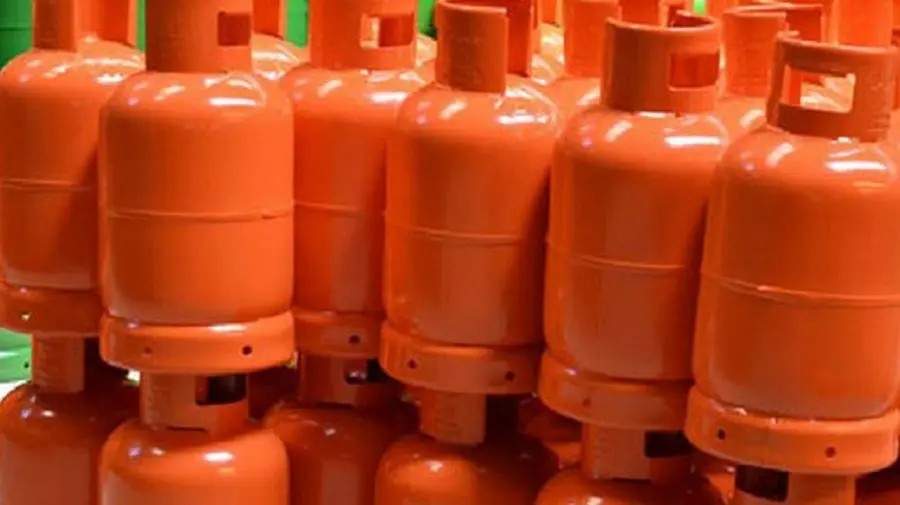
Residents of the Federal Capital Territory (FCT) have expressed cautious optimism following a recent drop in the price of cooking gas, describing it as a welcome relief amid the country’s high cost of living.
A check across several gas outlets in Abuja shows that the price of Liquefied Petroleum Gas (LPG) has declined, with one kilogram now selling for between ₦1,080 and ₦1,400, depending on the location and marketer. Some outlets, including NIPCO, are offering gas at the lower end of the price range.
Many residents say the reduction has eased household pressure, even if slightly. Victoria Ahaneku, a civil servant, said the lower price could help families redirect limited income to other essential needs. She added, however, that cooking gas remains expensive for many Nigerians, forcing them to rely on alternatives such as charcoal and firewood.
For businesswoman Mary Olobeyo, the price drop is encouraging but raises concerns about sustainability. She noted that costs related to transportation, storage, and retail operations still play a major role in determining LPG prices.
Olobeyo called on governments at all levels to invest in better infrastructure, such as pipelines and rail systems, to reduce dependence on road transportation, which she said increases the final cost of cooking gas.
Aisha Abubakar, a teacher, welcomed the reduction but pointed out that frequent price changes have made it difficult for households to plan their expenses. According to her, a stable and sustained price drop would encourage more Nigerians to adopt cooking gas for domestic use.
Some residents believe the reduction does not go far enough. Adebayo Olurunfemi, a businessman, said the current prices still feel high when compared with the rising cost of rent, school fees, fuel, taxes, and bank charges.
While commending the government for addressing supply challenges at refineries and depots, Olurunfemi said more action is needed to improve living conditions for ordinary Nigerians.
Charity Samuel, a public servant, also expressed satisfaction with the price drop, noting that cooking gas is the cleanest and safest cooking option for many families. She urged the government to ensure steady supply and further price reductions to make LPG more affordable.
The Federal Government had earlier assured Nigerians that cooking gas prices would stabilise after rising sharply to about ₦1,800 per kilogram in September 2025. The increase was linked to industrial action in the oil and gas sector and maintenance work at key gas facilities.
Authorities have since directed regulators to intensify monitoring of LPG depots nationwide to curb hoarding and sharp pricing practices.
Residents say while the current drop is a positive step, sustained policies and improved infrastructure are needed to ensure long-term affordability and access to cooking gas across the country.