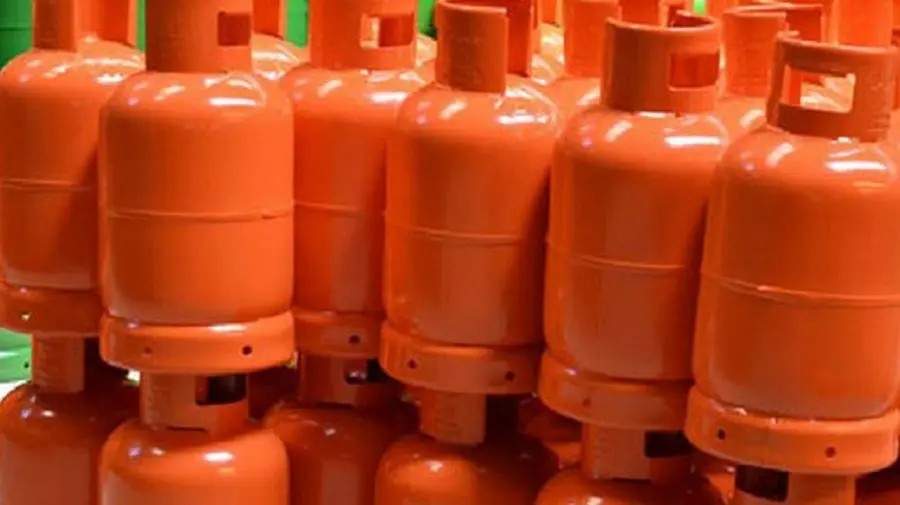
The rising cost of cooking gas in Nigeria has triggered fresh concerns among marketers and energy experts, with industry operators warning that worsening supply shortages and soaring depot prices are pushing the product beyond the reach of many households.
The Nigerian Association of Liquefied Petroleum Gas Marketers said the price of liquefied petroleum gas has climbed sharply in recent weeks, with consumers now paying between N1,500 and N1,700 per kilogram in several parts of the country.
According to the association, marketers currently purchase a 20-metric-tonne truck of LPG for as much as N26.2 million, depending on the location, a development they say is straining businesses and consumers alike.
NALPGAM President, Edu Inyang, called on the Federal Government to urgently address the situation, warning that continued increases could worsen hardship and create tension between consumers and operators of gas retail outlets.
He said millions of Nigerians, particularly low-income earners, food vendors and small business owners, are struggling to cope with the growing cost of cooking gas, which was once considered a relatively affordable household energy source.
The association blamed the situation on inadequate supply, expensive depot rates, distribution difficulties and rising operational expenses across the LPG value chain.
It also expressed fears that the persistent increase in prices could reverse gains made in promoting cleaner cooking energy, as more families may return to firewood and charcoal for domestic use.
NALPGAM noted that such a shift could have negative consequences for public health, environmental protection and the country’s clean energy ambitions.
The marketers further warned that if the crisis persists, it may contribute to higher food prices, job losses and reduced investment in the LPG sector.
The group urged the Ministry of Petroleum Resources, the Nigerian Midstream and Downstream Petroleum Regulatory Authority, NNPC Limited and other stakeholders to take coordinated steps aimed at stabilising the market.
Among its recommendations were improved domestic gas supply, transparent distribution systems, easier import processes and targeted interventions to make LPG more affordable for consumers.
Reacting to the development, energy law expert and University of Lagos lecturer, Prof. Dayo Ayoade, described the situation as part of Nigeria’s wider energy challenges despite the country’s vast natural resources.
He linked the increase in cooking gas prices to global market pressures, including tensions in the Middle East and disruptions affecting international supply routes, as well as domestic distribution problems.
Ayoade also identified foreign exchange instability, high transportation costs and weak infrastructure as major factors driving up prices.
He explained that the Petroleum Industry Act introduced a deregulated market structure where prices are largely determined by market forces, meaning consumers now directly bear the impact of price fluctuations.
The expert stressed the need for greater investment in local LPG processing plants, storage facilities and transportation networks to strengthen domestic supply and reduce dependence on imports.
He warned that failure to address the crisis could deepen public frustration amid the rising cost of living and force more Nigerians into energy poverty.
According to him, expanding local production and enforcing domestic gas supply obligations would help improve availability and reduce pressure on consumers.