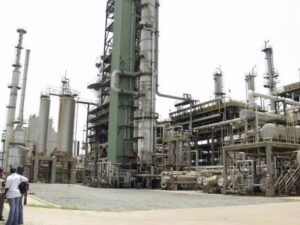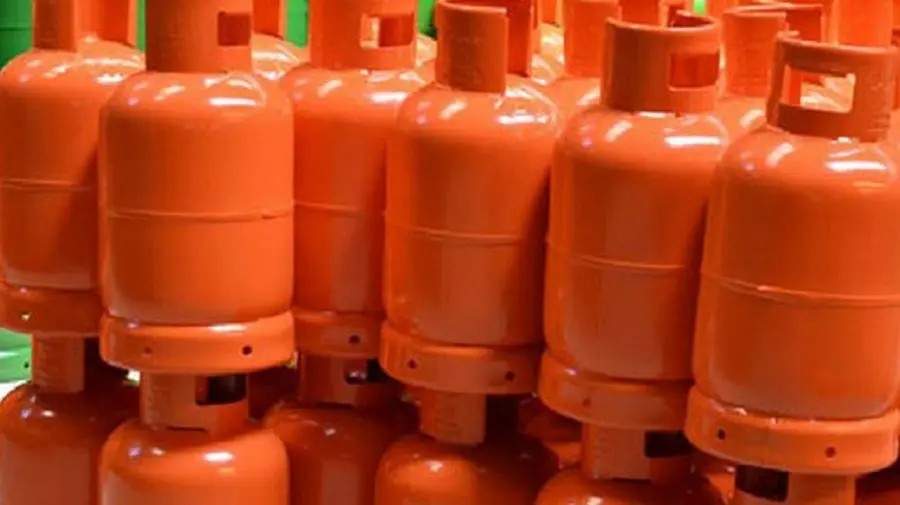
Cooking gas supply challenges are continuing across Nigeria despite the arrival of fresh shipments aimed at improving availability in the market.
Retailers say the situation has not eased meaningfully, as many depots and gas plant operators still struggle to make products available to them. This has kept prices high and left consumers facing ongoing shortages in several parts of the country.
The Chairman of the Liquefied Petroleum Gas Retailers Association of Nigeria, Ayobami Olarinoye, said recent LPG imports only provided slight relief and did not resolve the broader supply problem.
According to him, even though new cargoes have arrived in recent weeks, access remains limited for independent marketers. He explained that some operators prefer to channel available supply to their own retail outlets, reducing what is available in the open market.
Olarinoye also said many retailers now find it difficult to restock, with only a few gas plants willing or able to sell to them. In many cases, he noted, operators have shifted toward direct sales to end-users, further tightening supply for smaller distributors.
As a result, cooking gas prices have remained high in many areas, with some neighbourhood retailers selling at as much as N2,400 per kilogramme. Filling stations in some locations offer slightly lower prices, but access remains inconsistent.
The association also pointed to the export of locally produced LPG as a factor affecting domestic availability, arguing that producers may be prioritising foreign buyers due to higher returns.
Retailers are calling for stronger government action, including incentives to attract more investment into the LPG sector and measures to prevent hoarding or unfair distribution practices.
Consumers are already feeling the impact. In several cities, households report frequent shortages, while some residents have resorted to alternative cooking methods such as charcoal and firewood due to rising costs.
A retailer in Ogun State said she had been out of stock for days after suppliers informed her that no product was available. Similar complaints have been reported in other parts of the country.
Industry data shows that local production now accounts for a large share of Nigeria’s LPG supply, reducing dependence on imports. However, this increase in output has not yet translated into lower retail prices.
Stakeholders warn that if the supply situation does not improve, high prices and scarcity could persist, adding further pressure on households and small businesses already facing rising living costs.