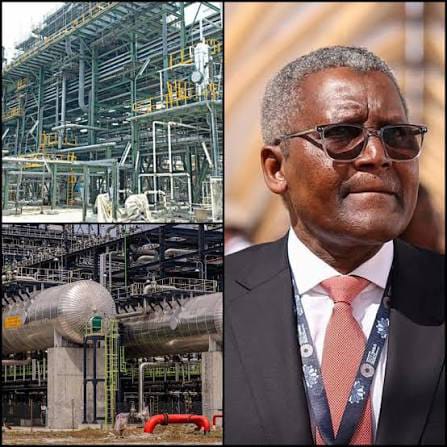
The Dangote Petroleum Refinery is considering restricting petrol sales to major oil marketers that continue to import the product, amid concerns over fuel quality and the handling of petroleum products in the Nigerian market.
The proposed measure could take effect this week, according to sources familiar with the development, although further discussions and possible intervention could still influence the final decision.
The refinery’s concerns reportedly centre on the alleged blending of petrol supplied by Dangote with imported fuel before the products are distributed to consumers.
According to sources, the practice could create difficulties in identifying the origin and quality of petrol sold under the Dangote brand, potentially affecting the refinery’s reputation for producing high-quality petroleum products.
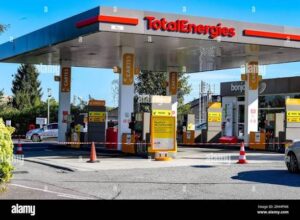
The development comes as Nigeria’s downstream oil sector undergoes a shift towards greater reliance on locally refined petroleum products. Despite the expansion of domestic refining capacity, some major marketers continue to bring petrol into the country.
Dangote Refinery has also expressed concerns about the country’s system for monitoring the quality of imported petroleum products. The refinery reportedly wants stronger laboratory and verification facilities that can independently test imported fuel and confirm that it meets required specifications.
With a refining capacity of 700,000 barrels per day, the Dangote facility has emerged as a major supplier of refined petroleum products in Nigeria and international markets.
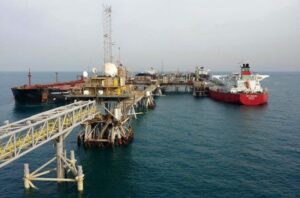
The refinery’s expansion has contributed to a sharp increase in Nigeria’s seaborne petroleum product exports. According to data cited in the report, such exports averaged 561,000 barrels per day in the second quarter of 2026, compared with an annual average of 79,000 barrels per day in 2023.
The refinery has also strengthened its position in the international aviation fuel market, with its jet fuel gaining acceptance in markets including Europe and the United States.