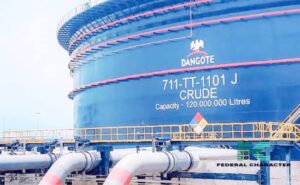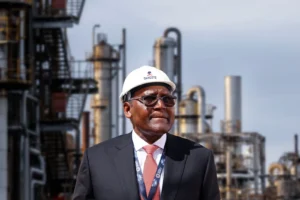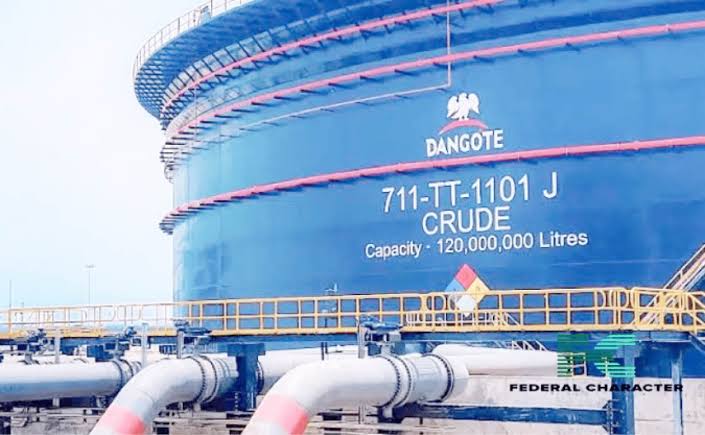
The Natural Oil and Gas Suppliers Association of Nigeria (NOGASA) has sounded the alarm over Dangote Refinery’s move to directly distribute petrol and diesel across the country, urging President Bola Tinubu to step in before the strategy disrupts the nation’s downstream oil market.
Speaking during the association’s annual general meeting in Abuja, NOGASA President Bennett Okorie raised serious concerns about the long-term implications of the refinery’s distribution model. He warned that bypassing established supply channels could mirror the downfall of Nigeria’s state-owned refineries, which suffered operational setbacks after adopting similar strategies under the Nigerian National Petroleum Company Limited (NNPCL).
“If Dangote pushes ahead with direct distribution, we risk seeing another collapse like what happened with Port Harcourt, Warri, and Kaduna refineries. Jobs are on the line, and the industry’s balance could be seriously affected,” Okorie stated.
He emphasized that the association’s position is not rooted in rivalry or resistance to private sector innovation but in the lessons learned from past mistakes. According to Okorie, government-owned refineries began to deteriorate when they ventured into direct fuel retailing through their own NNPC stations, disrupting the previously stable supply chain.
“We’re simply asking the president to advise Dangote to reconsider and adhere to industry protocols,” he added.
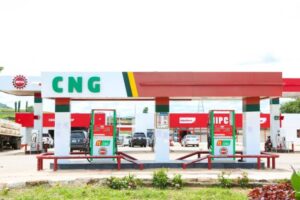
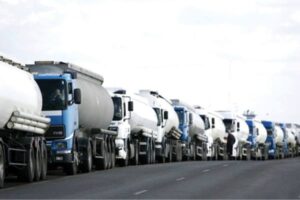
In response to the concerns, Dangote Refinery maintained that its strategy is on track and vital to solving Nigeria’s fuel distribution challenges. The company confirmed it has already acquired 4,000 compressed natural gas (CNG)-powered tankers to support a nationwide fuel supply rollout.
The move comes amid growing anticipation surrounding the $20 billion refinery’s full-scale operations, which many hope will drastically reduce Nigeria’s reliance on fuel imports. However, NOGASA’s warning introduces fresh debate over the best approach to fuel distribution in a market still grappling with legacy issues and structural fragility.