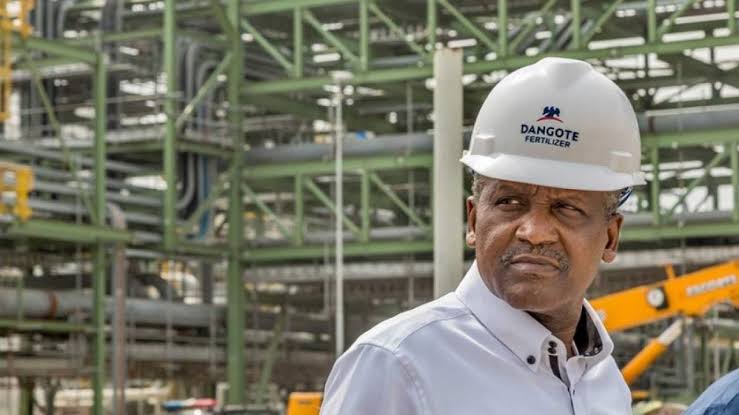
The Dangote Petroleum Refinery has come under fire from Nigerian maritime stakeholders for overlooking local shipowners in favour of foreign vessels—particularly those from Angola—for transporting crude oil and refined products.
According to the African Shipowners Association, the decision is a major blow to Nigeria’s shipping industry. President of the association, Ladi Olubowale, said the move was driven by the fact that Nigerian shipowners currently lack the large-capacity vessels needed for such operations—like Aframax, Suezmax, and Supermax tankers. He warned that unless Nigeria invests in its maritime capacity, it will continue missing out on key opportunities in the oil and gas value chain.
“We simply don’t have the vessels to match the size and requirements of what Dangote needs,” Olubowale said. “Countries like Angola do, and that’s why they’re getting the business.”
This development adds to ongoing concerns Dangote raised recently about the high cost of lifting products from the refinery due to multiple regulatory charges at Nigerian ports. He noted that these charges make it more cost-effective for marketers to import fuel from places like Togo than to load directly from the $20 billion Lekki refinery.
Meanwhile, some experts argue that there are ways Dangote could still involve local players. Edward Sowho, a member of the Nigerian Indigenous Shipowners Association, said partnerships can be formed if the company truly wants to support indigenous shipping. “If he wants to work with Nigerian-owned vessels, arrangements can be made—even if it means collaborating with foreign partners,” he noted.
In response, Dangote Group spokesperson Anthony Chiejine said the company works with shipowners that have the capacity, adding that the onus is on the local shipping sector to attract investment and scale up to meet demand.
The situation has sparked renewed calls for Nigeria to take maritime development more seriously and ensure local businesses are not left behind in major national projects.