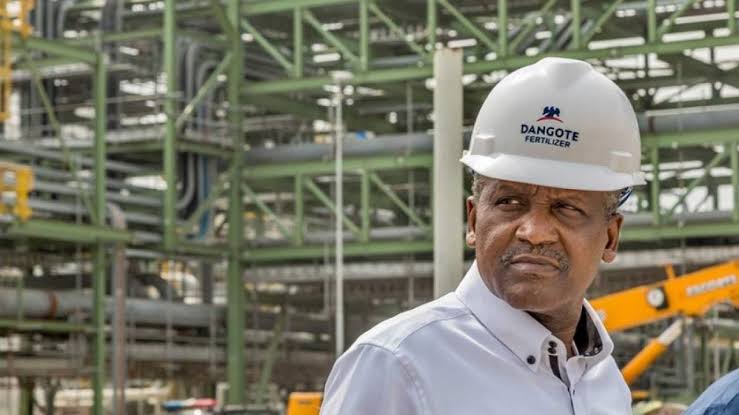
The conflict between Dangote Petroleum Refinery and the Nigerian Union of Petroleum and Natural Gas Workers (NUPENG) intensified on Friday, as Dangote challenged the union to reveal those responsible for the $18 billion reportedly spent on government-owned refineries that remain idle.
The company questioned why the Port Harcourt, Warri, and Kaduna refineries have been non-functional despite repeated injections of funds for turnaround maintenance over the years. Dangote noted that successive administrations failed to revive the plants, and urged NUPENG to help Nigerians understand how such huge sums were wasted.
It also recalled that when the Port Harcourt and Kaduna refineries were privatised in 2007, with Dangote as part of the consortium, NUPENG was one of the leading voices demanding a reversal of the sale.
Responding to accusations that the refinery is planning to monopolise fuel distribution with its direct supply scheme, the company argued that it operates under a deregulated framework supervised by the Nigerian Midstream and Downstream Petroleum Regulatory Authority, adding that monopoly claims were unfounded.
Meanwhile, the Ministry of Labour called another meeting on Friday to mediate between both parties at the Department of State Services headquarters in Abuja.
NUPENG later said Dangote was already violating the agreement signed earlier in the week by directing its newly recruited compressed natural gas truck drivers to drop NUPENG stickers and join a company-backed drivers’ association. The union alleged that this action breached workers’ rights to freely unionise and staged a blockade at the refinery to press its demands.
NUPENG described Dangote’s offer of free nationwide fuel delivery as a deceptive move intended to crush competition, while also accusing the company of sponsoring division within its tanker drivers’ branch.
Dangote, however, denied these claims, stating that it fully respects constitutional labour rights and does not prevent employees from joining any recognised union.
The federal government has urged both parties to stick to the earlier memorandum of understanding in order to avoid further disruptions in the fuel supply chain.