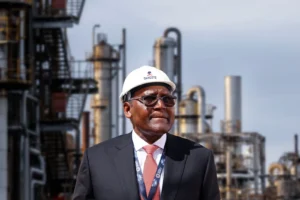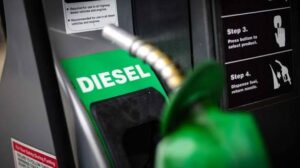
Tensions are rising in Nigeria’s petroleum sector as billionaire industrialist Aliko Dangote has called on President Bola Tinubu to ban the importation of petrol, diesel, and other refined fuels under the government’s ‘Nigeria First’ policy. The move, he argues, would protect local refining and encourage more investment in domestic production.
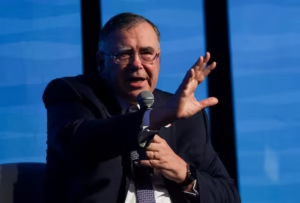
Speaking at the Global Commodity Insights Conference in Abuja, Dangote expressed concern that the continued importation of fuel is crippling Nigeria’s refining industry. He pointed to the dumping of cheap, and in some cases, toxic fuel into the country—particularly from Russia—as a major threat to local production. Dangote said this unfair competition has forced local producers to sell below cost, making their businesses unsustainable.
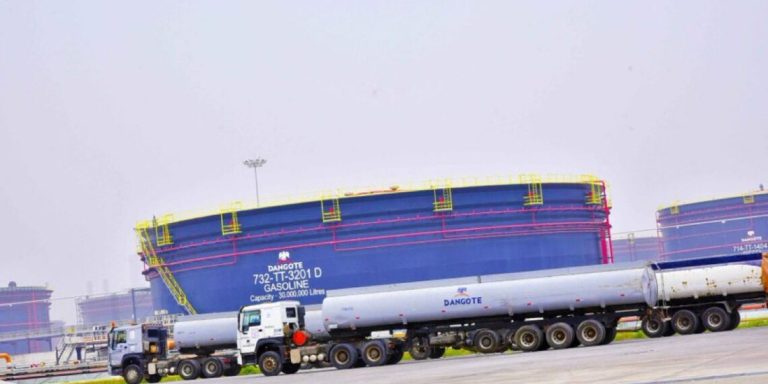
He stressed that his refinery, with a current capacity of 650,000 barrels per day and plans to hit 700,000 by December, has already made Nigeria a net exporter of fuel. In the last 50 days alone, the facility exported around 1.35 billion litres of petrol.
“This isn’t about monopolising the industry,” Dangote said. “It’s about giving local investors a fair playing field and discouraging the flood of low-quality imports that harm both the economy and consumers.”
However, several stakeholders in the petroleum sector have pushed back strongly.
The Independent Petroleum Marketers Association of Nigeria (IPMAN) rejected the call, warning it would create a monopoly since Dangote’s refinery is currently the only operational large-scale refinery in the country. IPMAN’s spokesperson, Chinedu Ukadike, said banning imports now would hurt competition and worsen inflation.
“We support local production, but we also need access to imported fuel to keep prices stable. We can’t rely on one refinery,” Ukadike stated.
Similarly, the Petroleum Products Retail Outlets Owners Association of Nigeria (PETROAN) warned against giving any single company dominant control over the market. Its president, Billy Gillis-Harry, argued that banning imports would go against the principles of a free economy.
“Fuel importation supports market stability and ensures that Nigerians have access to different sources of energy. We need more suppliers, not fewer,” he said.
Experts have also raised concerns. Professor Dayo Ayoade, an energy law expert from the University of Lagos, warned that such a ban would violate international trade laws and pose a national security risk by making the country dependent on one supplier.
“The government should encourage more refineries, not restrict supply. A ban on imports would be risky and legally questionable,” Ayoade explained.
Despite the controversy, stakeholders agreed with Dangote’s call to withdraw refinery licenses from companies that aren’t developing active facilities. IPMAN noted that hoarding licenses without building refineries is counterproductive to national growth.
Meanwhile, Dangote is stepping back from his role as chairman of Dangote Cement to focus fully on his refinery, petrochemicals, fertiliser, and government relations. His company is also preparing to launch a fuel delivery scheme starting August 1, using 4,000 compressed natural gas-powered trucks to distribute petrol, diesel, and aviation fuel directly to filling stations and bulk buyers.
As Nigeria weighs the pros and cons of banning fuel imports, the decision will test how the country balances local industrial growth with fair market competition and consumer interests.