Nigeria’s downstream oil market is heating up as a fierce battle erupts between the Depot and Petroleum Products Marketers Association of Nigeria (DAPPMAN) and the Dangote Refinery.
DAPPMAN has threatened to drag the refinery giant to court over allegations that marketers were diverting discounted fuel meant for local consumption to neighbouring countries, where pump prices are nearly double.
The dispute began after Dangote accused some players of exploiting its refinery’s supply scheme to profiteer across borders, insisting it would not tolerate a practice that has drained Nigeria’s resources for years.
But DAPPMAN hit back hard, dismissing the allegations as baseless and damaging. The association has given Dangote seven days to either produce evidence or withdraw the claims, warning that failure to do so would trigger a lawsuit.
“Smuggling is a national security issue. If any member is guilty, let the proper agencies act. Otherwise, these accusations must be retracted,” DAPPMAN said in a statement.
Beyond the smuggling row, the association accused Dangote of trying to monopolise Nigeria’s fuel market while offering better terms to international buyers. It alleged that the refinery sold products to foreign traders at steep discounts while restricting access for Nigerian marketers, forcing many to rely on offshore hubs like Lomé.
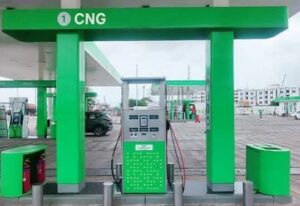
DAPPMAN also downplayed Dangote’s role in recent fuel price cuts, attributing the drop to a stronger naira and lower global crude prices, not refinery pricing. It further raised safety concerns about Dangote’s plan to roll out 4,000 compressed natural gas trucks.
In response, the refinery doubled down, insisting its claims were valid and accusing marketers of demanding a hidden subsidy worth over N1.5 trillion annually to help them match its gantry price. Dangote stressed it would not reintroduce subsidies or inflate prices for Nigerians to satisfy marketers’ demands.
The refinery also highlighted its growing capacity, claiming it maintains 500 million litres of products in storage monthly and has exported over three million tonnes of fuel in the past four months.
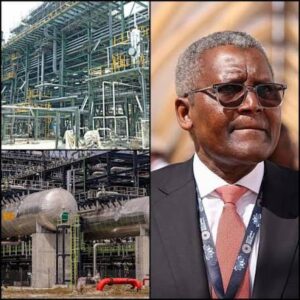
Industry observers warn that the clash could reshape Nigeria’s fuel market. With Dangote’s 650,000 barrels-per-day refinery now in full swing, the outcome of this dispute may determine whether the sector leans toward open competition or drifts into a monopoly battle.
As the seven-day ultimatum ticks down, all eyes are on whether this war of words ends in the courtroom or at the negotiation table.