The African Energy Chamber (AEC) has called on the World Bank to immediately lift its ban on financing upstream oil and gas projects, warning that the policy is worsening Africa’s energy poverty crisis and stifling economic progress.
The call comes as the World Bank reviews its 2017 decision to stop funding upstream fossil fuel development. The AEC insists that enough time has been spent reviewing, and it’s now time for bold, decisive action.
“The growing number of Africans without power is morally wrong and must not be ignored,” said NJ Ayuk, Executive Chairman of the AEC. “We are proposing a logical, sustainable path: using our natural gas to meet current needs, generate revenue and fund our transition to renewables.”
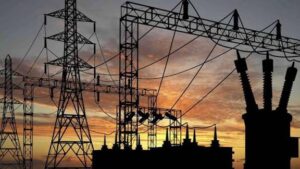
Around 600 million Africans still lack access to electricity, a number that has worsened since the COVID-19 pandemic. The AEC argues that developing Africa’s vast natural gas and oil resources can provide affordable power, drive industrialization, and support the continent’s shift to clean energy in the long term.
The organization emphasized that Africa’s contribution to global CO₂ emissions is just 3%, yet it faces disproportionate pressure to abandon fossil fuels. It believes the global climate narrative often overlooks the continent’s development needs.
“The green agenda and the World Bank’s ban on upstream financing ignore the fact that natural gas can bring life-changing prosperity to Africa through jobs, business growth and monetization,” Ayuk added.
Several African countries are already showing the benefits of upstream development. Projects in Mozambique, Nigeria, Senegal, and Egypt are powering communities and generating economic growth. The AEC points to Mozambique’s gas reserves, which could bring in over $100 billion in revenue, and Namibia’s oil discoveries, expected to deliver $3.5 billion annually at peak production.
The Chamber also notes a global shift in financing trends, with major banks—especially in the U.S.—softening ESG restrictions and resuming oil and gas investments. The AEC wants the World Bank to follow suit and act in line with its mission to reduce poverty and promote prosperity.
“Supporting upstream oil and gas development is not just an economic necessity – it is a moral imperative,” the AEC concluded.