Europe is increasingly looking beyond traditional solar panels to secure its energy future, with airborne wind systems emerging as a promising alternative. Rising energy demand, supply chain uncertainties, and stricter climate targets are pushing countries to seek innovative renewable solutions.
On Ireland’s west coast, a project led by Dutch company Kitepower is testing giant kites that generate electricity by harnessing high-altitude winds. Unlike conventional turbines, these kites are lightweight, mobile, and minimally intrusive, converting the pulling motion of the kite into power. The system can be installed quickly, relocated as needed, and has proven resilient even during severe storms.
Known as airborne wind energy (AWE), the technology is being studied globally for its potential to provide electricity in remote or offshore locations where building traditional turbines is difficult or costly. Challenges remain, including regulatory approvals, safety, and long-term reliability.
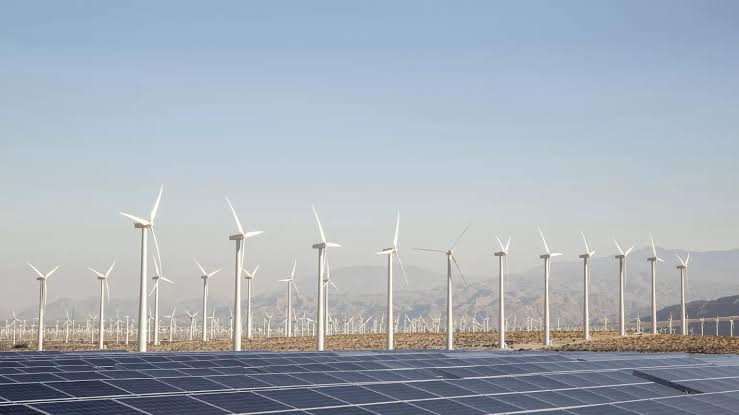
Ireland already generates about a third of its electricity from wind and aims to reach 20 gigawatts of offshore wind by 2040 and 37 gigawatts by 2050. Supporters see airborne wind systems as a flexible solution to help fill energy gaps across the country and the wider European market.
Meanwhile, Germany is advancing its hydrogen infrastructure with a planned network of pipelines connecting production sites, seaports, and industrial hubs. The first 525 kilometers of the 9,040-kilometer network are under construction, with full completion targeted by 2032.
As Europe diversifies its renewable energy strategies, high-flying wind technologies could become a key part of its sustainable energy landscape.