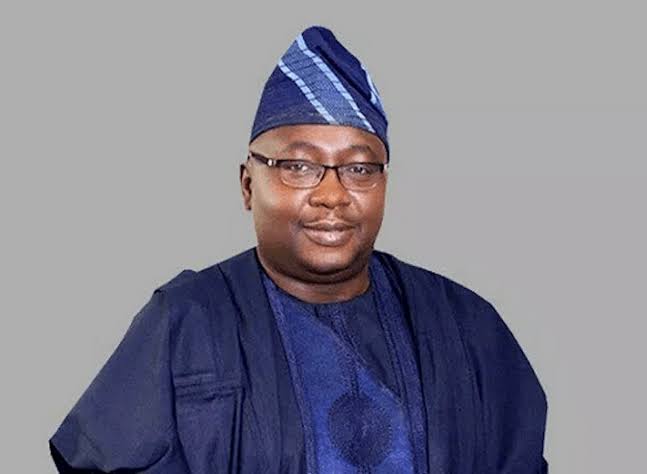
The Federal Government has kicked off the first phase of the Siemens power project, expected to inject 7,000 megawatts into the national grid, Minister of Power Adebayo Adelabu has announced.
Adelabu made this known in Abuja on Monday while receiving a delegation from the Global Energy Alliance for People and Planet (GEAPP), which visited to review Nigeria’s progress toward its Mission 300 energy access goals.
He revealed that the government has already secured an additional 700 megawatts through the Presidential Power Initiative and is now expanding the national grid to improve electricity supply.
“We’ve entered the first phase of the Siemens project, which will add about 7,000 megawatts to our capacity and enhance power stability across the country,” Adelabu said.
The minister condemned the use of estimated billing in the power sector, calling it unfair to consumers. He added that the government’s mass metering scheme aims to ensure accurate billing and promote accountability in electricity usage.
In a statement by his media aide, Bolaji Tunji, Adelabu said several programmes — including grid expansion, solar energy deployment, and metering — are ongoing to boost electricity access nationwide.
He reiterated Nigeria’s dedication to Mission 300, a continental target to provide electricity to 300 million Africans by 2030, noting that the country is focusing on off-grid solar solutions for rural communities.
“In agriculture, we’re introducing solar-powered irrigation systems for farmers and solar-based storage facilities to reduce food spoilage,” he added.
GEAPP’s African Director, Labna Bhayani, commended the Federal Government for its reforms and pledged technical and philanthropic support for Nigeria’s energy programmes.
“We’re impressed by your progress in power sector reforms, both on-grid and off-grid,” Bhayani said. “Though we don’t provide loans, we offer technical and philanthropic aid to help nations expand clean energy access.”
Adelabu assured that the government would keep collaborating with international energy organisations to fast-track clean, affordable, and reliable electricity for Nigerians.
Nigeria currently generates around 5,000 megawatts from its 13,000-megawatt installed capacity, leaving more than 85 million people without access to power.