The Federal Government has assured that Nigeria remains a committed partner in the World Bank and African Development Bank–led Mission 300 programme, despite recent confusion over its absence from a new list of African countries endorsing electricity reforms.
Mission 300 is an ambitious initiative aimed at providing electricity access to 300 million people across Africa by 2030. At a global forum in New York earlier this week, 17 African nations including Ghana, Kenya, Ethiopia, and Cameroon were named as new signatories. Nigeria’s omission from that roll sparked public concern, given its size and longstanding power challenges.
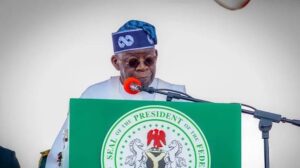
Responding on Thursday, Bolaji Tunji, media aide to the Minister of Power, clarified that Nigeria had in fact been part of the first batch of countries to join the compact in January 2025. President Bola Tinubu signed on behalf of the country during a ceremony in Dar es Salaam, Tanzania, alongside 11 other governments such as Chad, Ivory Coast, Democratic Republic of Congo, Liberia, and Senegal.
“The suggestion that Nigeria is missing from Mission 300 is misleading. Our participation is not in doubt—we were among the earliest signatories,” Tunji said.
The Ministry of Power added that Nigeria has since advanced local consultations, including a stakeholders’ meeting in Abuja in July. At that session, the government disclosed that of the $32.8 billion needed for the country’s electricity reform under Mission 300, about $15.5 billion would be mobilised from private investors.
According to the World Bank, Mission 300 has already delivered power access to 30 million people across Africa, with over 100 million more connections underway. The programme is supported by partners such as the Rockefeller Foundation, Sustainable Energy for All, and the Global Energy Alliance for People and Planet.
World Bank President Ajay Banga stressed that access to reliable and affordable power is crucial for job creation and economic growth, while AfDB President Sidi Ould Tah described electricity as the fastest driver for entrepreneurship, agro-processing, and industrial development.
Nigeria, the government insists, remains firmly on board with the reforms and sees the initiative as central to improving its fragile power sector and boosting economic productivity.