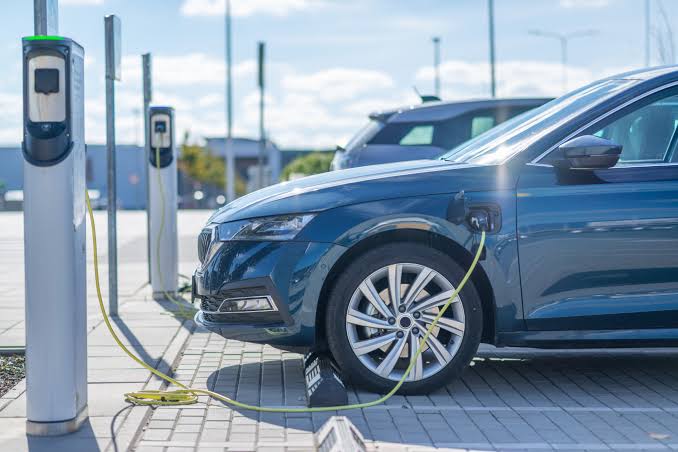
The Federal Government has reiterated its commitment to accelerating the adoption of electric vehicles as part of broader efforts to modernise transportation, support industrial growth, and promote cleaner energy solutions across the country.
This assurance was given during the maiden meeting of the Electric Vehicle Association of Nigeria held in Abuja, where government officials and industry stakeholders discussed strategies to strengthen Nigeria’s role in Africa’s emerging electric mobility sector.
Director-General of the Presidential Enabling Business Environment Council, Princess Zahrah Audu, said the establishment of the association reflects the growing importance of sustainable transportation and innovation in the country’s economic future.
According to her, the administration of President Bola Tinubu is focused on building a competitive economy driven by technology, industrialisation, and modern infrastructure. She noted that electric mobility presents opportunities for investment, job creation, and technological advancement.
Audu explained that many countries are already shifting towards cleaner transportation systems, adding that Nigeria must position itself to benefit from the global transition. She said the electric vehicle sector could also stimulate local manufacturing, renewable energy development, digital innovation, and youth employment.
She further stated that increased adoption of electric vehicles would help Nigeria reduce carbon emissions and support its environmental and climate goals.
Also speaking at the event, the Minister of Innovation, Science and Technology, Kingsley Udeh, represented by Dr Ibiam Oguejiofor, said technological innovation remains essential for national development.
He stressed that Nigeria’s transition to electric mobility would require coordinated policies, investment in infrastructure, access to financing, and stronger collaboration between government and private sector operators.
The minister added that the Federal Government was determined to ensure Nigerian businesses, talents, and resources play a major role in the country’s industrial transformation.
Chairman of the Electric Vehicle Association of Nigeria, Mustapha Audu, said the association was founded two years ago by stakeholders seeking to ensure Nigeria is not left behind in the global shift toward sustainable transportation.
He disclosed that the association has partnered with agencies such as the National Automotive Design and Development Council, the Standards Organisation of Nigeria, and the Energy Commission of Nigeria to advance the electric mobility agenda.
Despite challenges including inadequate infrastructure, funding constraints, and policy concerns, Audu expressed optimism about the future of the sector, describing Nigeria as a potential hub for electric vehicle manufacturing and clean transport solutions in Africa.