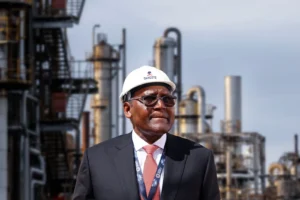
The Nigerian Oil and Gas Suppliers Association (NOGASA) has raised concerns over the Dangote Refinery’s plan to directly distribute petroleum products across Nigeria, urging the company to concentrate on refining while leaving distribution to established marketers.
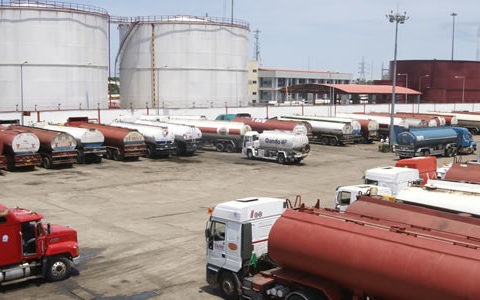
Speaking at a stakeholder forum in Abuja, NOGASA President Benneth Korie stated that Dangote’s move to bypass traditional fuel depots and distributors by deploying 4,000 Compressed Natural Gas-powered tankers poses a major threat to the existing downstream supply chain. The plan, he warned, risks collapsing the current distribution structure and could repeat the failures experienced during the Nigerian National Petroleum Company Limited’s previous attempt at direct distribution.
Korie emphasized that the association is not against the refinery’s operations but is concerned about the broader consequences of centralizing refining, logistics, and retail under one entity. “No single company can manage refining and retail on its own without overwhelming the system,” he said, urging Dangote to allow independent marketers to do their job.
He called on President Bola Tinubu to intervene, stressing that the exclusion of marketers could destabilize the sector and trigger mass unemployment. According to him, over 50,000 fuel stations and countless transport workers could be affected if Dangote takes full control of product movement.
Supporting the concern, Billy Gillis-Harry, President of the Petroleum Products Retail Outlets Owners Association of Nigeria (PETROAN), warned that the plan might lead to market dominance disguised as efficiency. He said such a move could hurt fair competition and force many independent stations to shut down, especially if Dangote uses price cuts to dominate the market.
Gillis-Harry also pointed out the risk of job losses tied to the introduction of 4,000 new CNG tankers, which could sideline existing truck drivers and logistics operators. He called for urgent intervention by regulatory bodies to protect market balance, enforce pricing rules, and ensure local refineries have fair access to crude oil.
Meanwhile, House of Representatives Petroleum Resources (Downstream) Committee Chairman Ikeagwuonu Ugochinyere assured stakeholders that lawmakers are actively monitoring the situation. He stressed the importance of balancing innovation with inclusivity under the Petroleum Industry Act (PIA), advocating for a collaborative effort between government and private sector players to avoid unintended fallout.